
Hiring an employee is one of the most critical decisions you can make in the life of a startup. It is the step that moves you from a do-it-yourself business into a scalable venture.
Yet hiring your first employee is more than just bringing additional resources to your venture. If the wrong person joins your team, it can hinder your progress. But hiring the right one will help grow your venture much faster.
In order to be able to choose the right candidate, your hiring process needs to work hand in hand with your pricing strategy for startups, your landing page for startups, and proper SOPs for small business.
Why Hiring Your First Employee is Critical
At the beginning stage of development, startup founders do all the tasks by themselves. However, this strategy cannot continue for too long.
Your first employee will help you:
- Concentrate on what is really important
- Be more productive
- Increase efficiency
- Start creating systems
The right people on board can significantly.
When Should You Hire Your First Employee?
The timing plays an important role here.
Signs You Are Ready:
- You are overloaded with routine tasks
- Opportunities are not being taken into consideration
- You have enough income flow
- Tasks are repetitive
If your workload is affecting your ability to scale, it’s time to consider hiring.

Choosing the Right Role for Your First Hire
Hiring the wrong role is one of the major errors that startups tend to commit.
1. Identify Business Needs
Questions to consider:
- What tasks take up the majority of my time?
- What activities create revenue?
2. Common First Hire Roles
- Customer service
- Sales person
- Marketing specialist
- Operations person
For instance, if you have many customer inquiries at hand, it makes sense to look into customer support for startups.
3. Focus on Impact
This first position will help you:
- Save time
- Create revenue
- Increase productivity
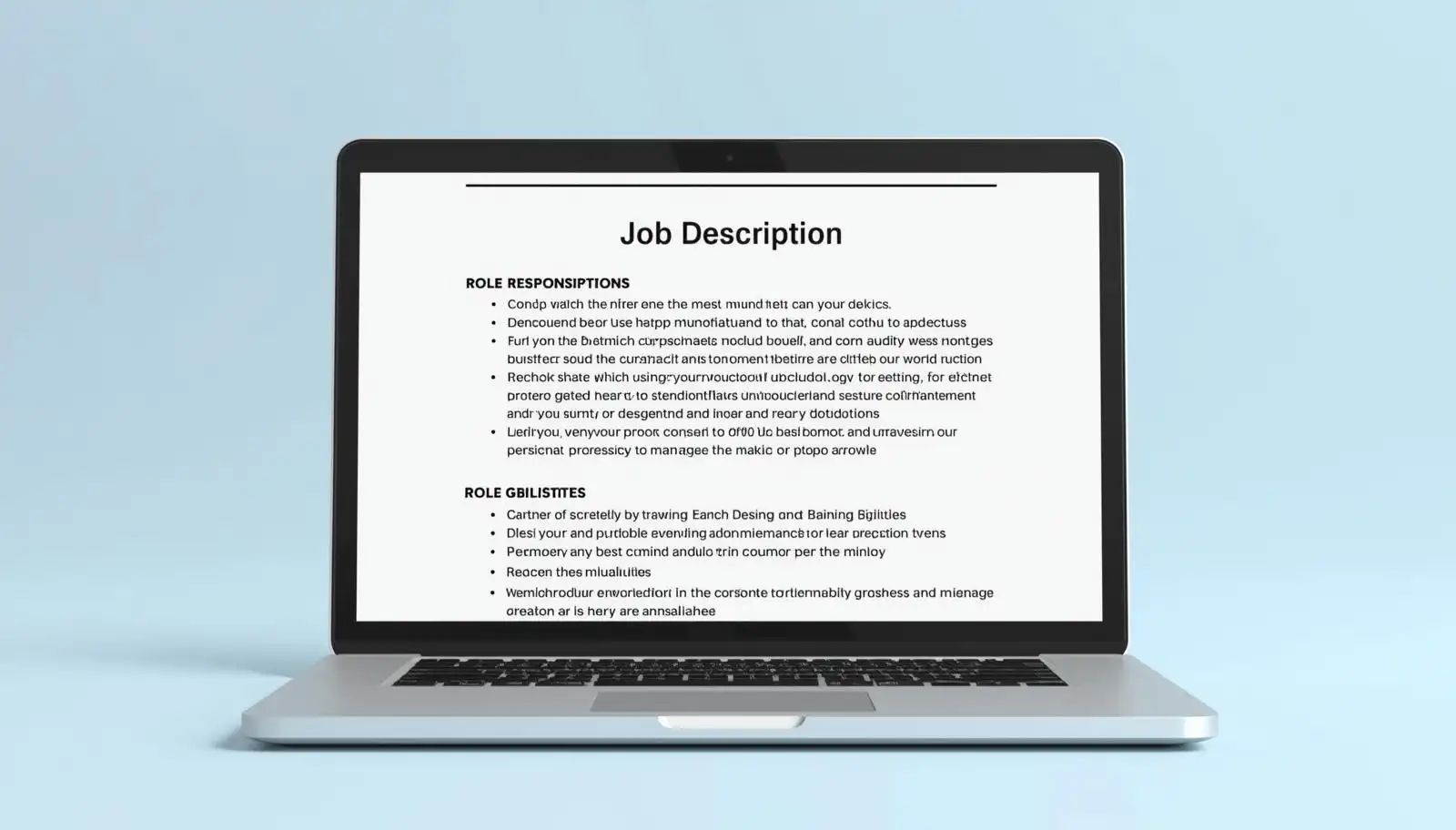
Defining the Job Role Clearly
Make sure your job description is clear.
It should contain:
- Position responsibilities
- Requirements
- Expected results
Your job description should be consistent with your SOPs for small business.
Building a Hiring Process
A proper hiring process increases the chance of getting the perfect employee.
Step 1: Create a Job Description
Be precise and detailed.
Step 2: Source Candidates
Consider the following options:
- Job platforms
- Social media networks
- Employee referrals
Step 3: Screen Applicants
Choose candidates by:
- Evaluating their skills
- Considering experience
- Looking into cultural fit
Step 4: Conduct Interviews
Concentrate on:
- Problem-solving abilities
- Communication skills
- Adaptability
Step 5: Test Skills
Test their skills by assigning simple tasks.
Evaluating the Right Candidate
Skills matter — but mindset matters even more.
Look For:
- Willingness to learn
- Ownership mentality
- Problem-solving skills
- Organizational culture
Your first hire should develop alongside your startup.

Onboarding Your First Employee
The recruitment process doesn’t end with hiring. Onboarding is essential.
1. Provide Clear Instructions
Utilize your small business SOPs.
2. Set Expectations
Clarify:
- Objectives
- KPIs
- Duties and responsibilities
3. Train Effectively
Ensure your hire knows:
- Business procedures
- Software and tools
- Client requirements
4. Offer Continuous Feedback
Consistent feedback enhances performance.
Cost of Hiring First Employee
There are always expenses associated with hiring:
- Salary
- Training costs
- Software subscriptions
- Time commitment
Ensure your business can support these costs. Here’s where matching your pricing strategy becomes crucial for profitability.
Common Hiring Mistakes to Avoid
1. Hiring Too Fast
Hasty decisions tend to result in bad hires.
2. Hiring Based Only on Skills
Attitude plays an important role in hiring.
3. Lack of Process
Lack of a framework leads to inconsistencies.
4. Not Defining Roles Clearly
Uncertainty hampers performance.

Scaling Your Team After First Hire
With your first hire working out well, it’s time to assemble a team.
Focus on:
- System Building
- SOP creation
- Workflow optimization
When recruiting, keep in mind:
- landing page for startups
- startup customer support services
- operations overall
Advanced Hiring Strategies for Startups
1. Hire for Potential
Skills can be learned but attitude cannot.
2. Start with Freelancers
Try freelancers before making a full-time hire.
3. Build a Talent Pipeline
Maintain a list of prospective candidates.
4. Focus on Culture
Culture starts with your initial hires.
Future of Hiring for Startups
Rapid changes are happening in hiring.
Upcoming trends:
- Remote recruiting
- Competency-based recruiting
- AI screening technology
- Access to global talent pool
Startups that adopt will grow faster.
Conclusion
Hiring your first employee is an important milestone for creating a scalable company.
For success:
- Recruit strategically
- Define roles
- Develop systems by implementing SOPs for startups
- Facilitate growth by providing startup customer support services
- Adapt your recruitment process to your startup pricing strategy
- Connect everything with your balance sales and operations strategy
Your first hire can change your startup from a one-man band into a scaling company.