
A company’s expansion depends significantly upon their customer care. There are many types of customer service; however, one main type will provide long-lasting growth for your company – through customer experience. Many start-ups do not provide the best customer service because they put too much emphasis on product development or marketing rather than supporting their customers after a sale.
Providing tremendous service can create better retention rates, increase your customers’ life-time value, and build loyalty and trust between you and your customers.
You need an effective support model that complements your pricing model and together with your conversion-oriented landing page will form a complete system in support of your company’s growth.
What is Customer Support for Startups?
Customer service at a Start-Up Level is the processes, systems and tools a company uses to give their customer an outstanding experience. These processes, systems and tools consist mainly of:
- Answering customer inquiries.
- Resolving an issue.
- Providing guidance.
Because Start-Ups are so much more flexible than large corporations, they need to develop support systems that are also flexible, scalable, and affordable.
Why Customer Support is Critical for Startups
Customer support affects the success of any business venture.
Key Benefits:
- Better customer retention
- Trust and credibility
- Decreased churn rate
- Improved company image
When implemented together with the balance sales and operations approach, customer support ensures seamless operations.
Types of Customer Support for Startups
1. Email Support
A very popular and budget-friendly way. Ideal for resolving in-depth concerns.
2. Live Chat Support
Allows for prompt solutions and higher conversion rates on your startup’s landing page.
3. Self-Service Support
Consists of:
- Knowledge base
- FAQs
- Help center
This minimizes workloads and maximizes productivity.
4. Phone Support
Works well for premium clients or intricate problems.
5. Social Media Support
Customers contact the company through social media such as Twitter and Facebook. Immediate responses foster credibility.

Building a Customer Support Strategy
Good customer support policy is important for growth and scaling.
1. Understand Your Customers
Identify:
- Typical issues
- Expectations of your customers
- Preferable support channels
2. Choose the Right Channels
Start slow but grow:
- Emails and chats at the startup stage
- Then automate
3. Set Response Time Goals
Fast answers increase satisfaction:
- Instant via live chat
- Within 24 hours via email
4. Train Your Team
Support agents need to:
- Know the product well
- Communicate effectively
- Deal with complaints professionally
Integrating Customer Support with Other Systems
Customer support needs to be integrated with other policies.
1. With Pricing Strategy
The level of support needs to be in accordance with your effective pricing strategy. The higher pricing strategy needs premium support.
2. With Landing Pages
For your landing pages, the following information should be provided:
- Your level of support
- Response time frame
- Trust indicators
3. With Operations Strategy
The support policy should be aligned with your overall approach to sales and operations balance.

Customer Support Tools for Startups
The proper tools can help improve your efficiency significantly.
Essential Tools:
- Helpdesk software
- Live chat software
- CRM systems
- Automation tools
Begin small and scale up according to your needs.
Customer Support Best Practices
1. Be Quick and Efficient
Speed is vital for customer satisfaction.
2. Personalize the Interaction
Make use of customer names and contextual knowledge.
3. Prioritize Solutions
Do not reply with vague answers. Help the customer in any way possible.
4. Collect Feedback
Gather feedback from customers to improve your services.
Common Mistakes to Avoid
1. Ignore Customer Feedback
It is valuable information that you should not ignore.
2. Slow Response Time
It irritates customers.
3. Undertraining of Support Personnel
Undertrained personnel may ruin your business reputation.
4. No Scaling Plan
The support system must scale according to the growth of the business.
Scaling Customer Support for Growth
As your business grows, scaling the support system becomes necessary.
1. Automation
Automate repetitive tasks and use chatbots.
2. Creation of Knowledge Base
This will make customers solve problems on their own.
3. Hiring New Positions
With an increase in volume, new positions can be created.
4. Measuring Metrics
Key metrics are:
- Response time
- Resolution time
- Customer satisfaction
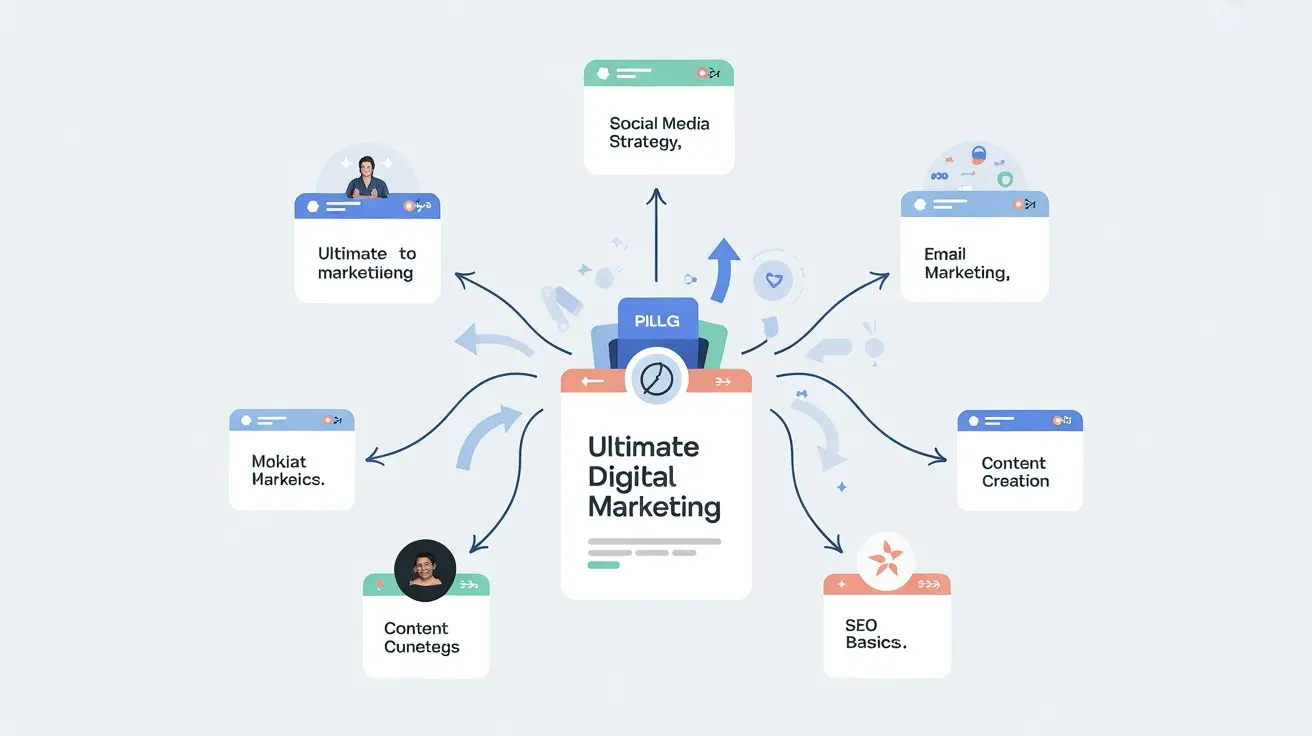
How Customer Support Fits into Your SEO Cluster
Your content strategy will be incomplete without customer support.
Cluster Structure:
- Pricing Strategy Blog
- Landing Page Blog
- Customer Support Blog (this blog post)
- Pillar Page
Future Trends in Customer Support
With the development of new technologies, customer support continues to grow and adapt.
Trends:
- AI-driven chatbots
- Omnichannel support
- Predictive customer services
- Automated workflow systems
Early adoption of such trends will provide you with a competitive advantage.
Conclusion
Customer support should never be underestimated in the life of a startup.
To achieve success:
- Create a solid support strategy
- Integrate with your pricing strategy for startups
- Optimize your landing page for startups
- Connect to your balance sales and operations
All of this together will make your business run smoothly and effectively.