
Founders generally begin a venture because they excel at one particular skill – creating a product, working with clients, and solving a problem. There are very few founders who create businesses because they enjoy doing accounts.
The reality of the matter is that unless you know your accounts, you will not know your business.
Small business accounting does not mean becoming an expert in accounting. It simply means understanding basic concepts so that you can make sound decisions on what actions to take regarding hiring, reducing costs, being profitable, and avoiding a cash crunch.
This post provides information about small business accounting in simple terms. No technical jargon. No complicated accounting principles. Just the basics required for any entrepreneur to maintain their business in a sound financial condition.
This article is part of a larger Startup Finance Guide series.
What Is Small Business Accounting?
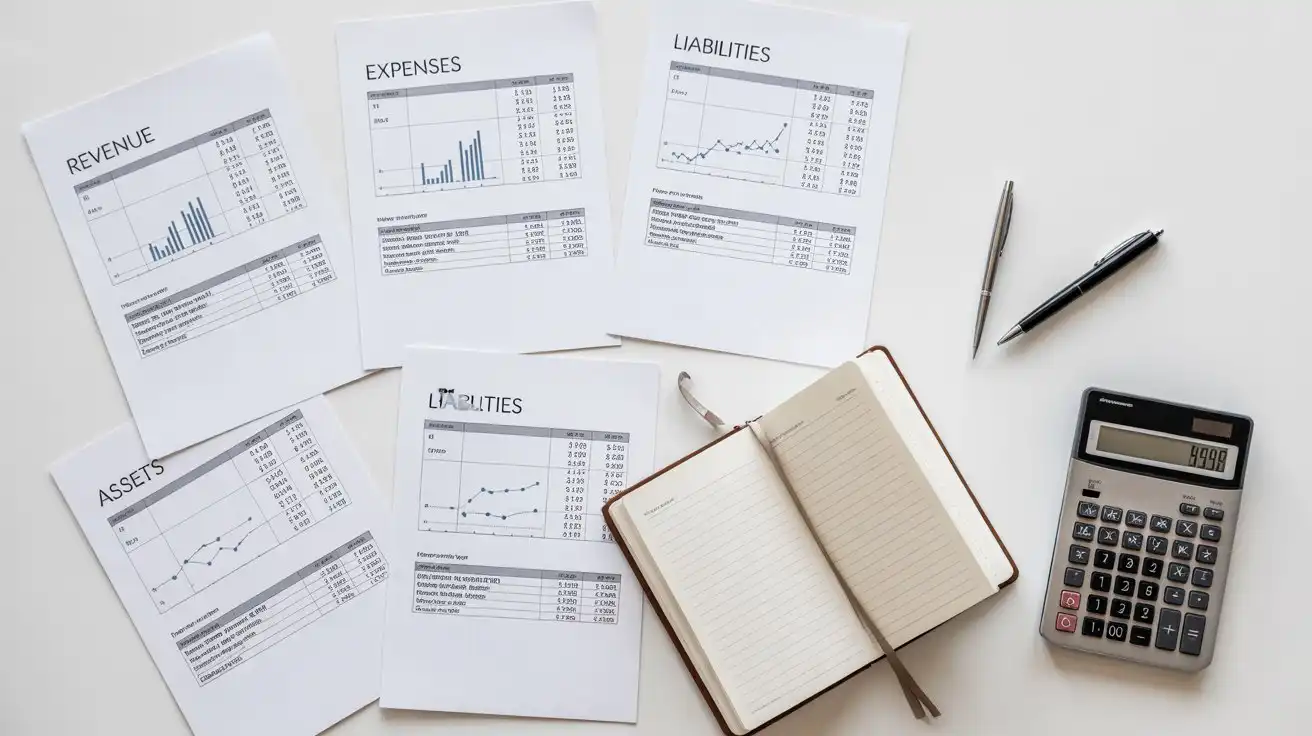
Small business accounting entails the systematic recording, classification, and analysis of all the monetary transactions within a business enterprise.
These include:
- The amounts of money received (revenue)
- The amounts of money paid (expenses)
- The resources owned by a business (assets)
- The obligations owed by a business (liabilities)
The value remaining after subtracting the amount of expenses from the revenue (equity or profit)
While accounting is mandatory by law, its significance goes beyond compliance with statutory requirements. Accounting acts as an indicator of the profitability of an enterprise. Without it, one would be unable to make informed decisions because they will rely on intuition alone.
Two basic functions form the bedrock of small business accounting. They are bookkeeping and financial reporting.
Accounting vs Bookkeeping: What’s the Difference?
These terms may seem interchangeable but in reality, they are different from each other.
The former refers to the practical aspect, which is the documentation of every financial transaction, proper classification of expenses, checking of the bank statement, among others. This is all about putting data down on paper.
On the other hand, accounting is the theoretical part where the person interprets everything documented in order to prepare financial statements, tax papers, etc. The accountant will review the entries done by the bookkeeper and explain their significance.
As a business owner, you can expect yourself to perform some bookkeeping tasks during the initial stages. It’s good that you become knowledgeable about both for your own personal benefit in the future.
Your numbers directly impact your financial projections for startups.
The Two Accounting Methods: Cash vs Accrual
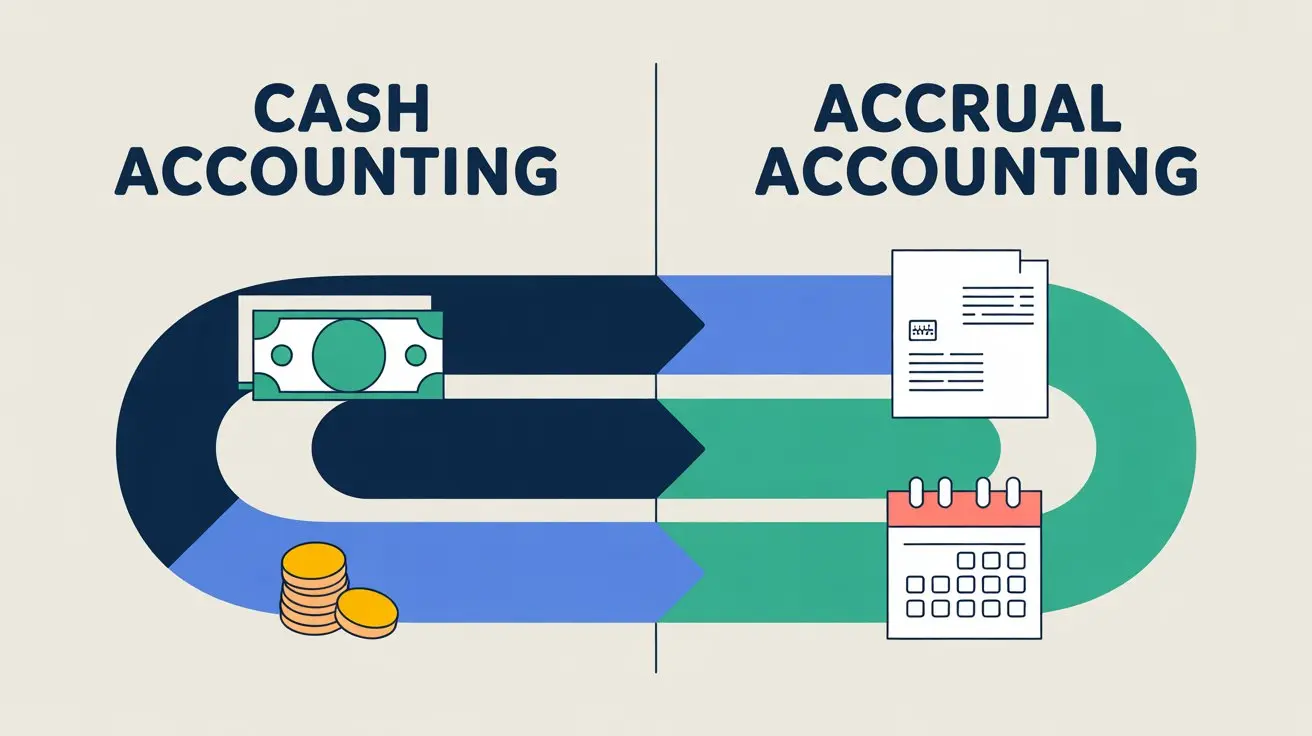
Before implementing any system, you will have to decide on your accounting methodology. This choice will influence the way and moment at which you record your revenues and expenditures.
Cash Method Accounting
In this method, you account for your income upon receiving it and your expenses upon paying them. Very straightforward and easy to grasp.
Recommended for: Self-employed people, lone entrepreneurs, early-stage ventures with plain transactions.
This becomes even more critical when bootstrapping a startup.
Accrual Method Accounting
This method requires you to account for your revenue when earned (regardless of whether it was received) and for your expenses when incurred (regardless of whether they were paid). It is more complicated but provides you with a better assessment of your business.
Recommended for: Ventures that deal with invoicing, subscriptions, and inventories or those that plan to attract investments.
Most respectable small ventures gradually transition to accrual accounting as they evolve. Accrual accounting will make your projections more reliable if you seek investments.
Core Financial Statements Every Founder Must Understand
But you do not need to make these from scratch every month. You need to know what information you can learn from them.
1. Income Statement (Profit & Loss)
It shows you revenues, costs, and profits/losses during a certain period of time (usually monthly, quarterly or annually).
Structure:
- Revenues
- Cost of Goods Sold (COGS)
- Gross Profit
- Expenses
- Net Profit/Loss
This statement informs about the profitability of your company. It is connected with your financial forecast: your financial forecasts will be basically future income statements.
This data is essential for performing a break-even analysis.
2. Balance Sheet
It provides you with a snapshot of the current financial situation of your business.
Three main parts:
- Assets (cash, equipment, account receivable – what your business owns)
- Liabilities (debts, unpaid bills – what your business owes)
- Equity
- Main formula: Assets = Liabilities + Equity
Potential investors use this statement to evaluate the financial situation and level of debt in your business.

Setting Up Your Accounting System
You don’t need a complex system on day one. You need a system that you will actually use consistently.
Step 1 — Open a Separate Business Bank Account
This is non-negotiable. Mixing personal and business finances creates chaos at tax time and makes your books impossible to read clearly. Open a dedicated business account from day one.
Step 2 — Choose Your Accounting Software
For the majority of small businesses and startups, there are only four choices:
- Wave — free and ideal for individual entrepreneurs
- QuickBooks — the industry benchmark and supported by a broad range of accountants
- Xero — intuitive, clean accounting program
- FreshBooks — the best program for service-based companies and freelancers
Choose one and stick with it. After all, the best accounting software is the one you use.
Step 3 — Create a Chart of Accounts
A chart of accounts is merely a list of account headings you will use to classify all your revenue and expenses. Typically, the accounts include:
- Revenue
- Cost of Goods Sold
- Advertising & Marketing
- Salaries & Payroll
- Software & Equipment
- Rent & Utilities
- Professional Services
Adapt these accounts to fit your business model, but make sure they are clear and straightforward enough to facilitate accurate categorization.
Step 4 — Develop an Accounting Process
Allocate one hour per week — not per month — for categorizing and recording your financial transactions. It takes around 20–30 minutes to do the process weekly, but much longer to play catch-up monthly.
Investors will expect clear numbers in your pitch deck template.
Understanding Revenue and Expenses
Revenue
Revenue is not the same as profit. It represents the total amount of cash your business earns before any costs are deducted.
This income should always be tracked by source, especially when multiple revenue streams exist. Doing so helps identify which products, services, or channels generate the most value.
This way, you’ll know which product, service, or channel contributes to more revenue and therefore focus on them.
Cost of Goods Sold (COGS)
COGS is the cost associated with bringing your product/service to a customer. If you sell a physical product, then it’s going to be materials and manufacturing costs. If you operate a SaaS business, it’s going to be server costs and third-party API fees.
Gross Profit = Revenue – COGS
Your gross profit margin measures how efficiently you deliver your primary product. Gross profit margin is your margin for maneuvering because it’s here that your operating expenses should be covered.
Operating Expenses
All expenses incurred as part of the process of managing the business, but which do not go toward making the product/service.
Operating expenses require attention from business owners as they become the main reason for financial chaos.
Small Business Taxes: What You Need to Know
There may be differences in taxation procedures and requirements depending on the country of business operations and type of business, but these are some basic things every small entrepreneur should consider:
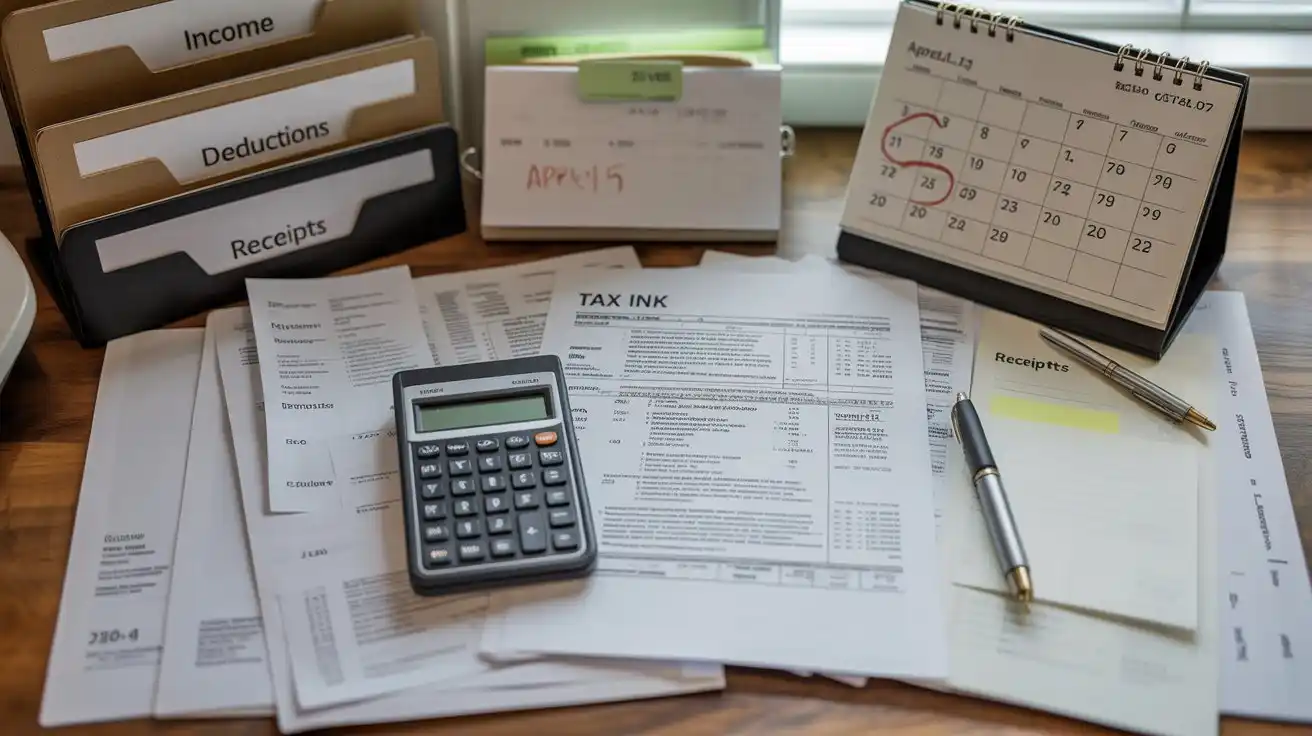
Keep track of everything. Any expenditure incurred for the purposes of doing business could be tax deductible, provided you can prove it. Keep receipts, invoices, and other documentation.
Know your business structure. The nature of your business (whether you are a sole trader, an LLC, or an incorporated business) has direct influence on how it will be taxed. Clarify this aspect right away, preferably with help of a local accountant.
Distinguish between personal and business expenses. On one hand, it is good accounting practice; on the other, it is also required for your tax returns.
Pay a certain portion of income taxes while earning. Do not put off your taxes till the end of the year. One method would be putting aside 25-30% of your net profit into a special account.
Remember your deadlines. Ignoring tax deadlines results in fines. Plan ahead at the beginning of the year.
Common Accounting Mistakes Small Businesses Make
Overlooking the little things. Even small monthly expenses accumulate quickly. Twelve $20-$50 subscriptions amount to $400-$600 per month, which no one realizes.
Mixing cash and income. It’s possible to have plenty of money in the bank while being unprofitable. It’s possible to be profitable while having no cash at all. Make sure to track them separately.
Reviewing finances only once a year. Discovering a financial issue in April means that your company had issues well before then. At minimum, review your figures monthly.
Not balancing your bank accounts. There’s no need anymore thanks to accounting software. But do it anyway. Unbalanced accounts mask any mistakes, missed payments, and even embezzlement.
Doing everything manually. Spreadsheets are great initially, but eventually become unwieldy and inefficient. Get accounting software while you still can, don’t wait until you have to.
When to Hire an Accountant
It is not necessary for you to have a full-time accountant from the beginning. However, there are certain times when getting assistance from professionals will pay off:
- When you are planning to get financing and require financial statements suitable for potential investors
- When you want to file your tax return as an officially recognized enterprise
- When you have more monthly transactions than you could handle within just a few hours a week
- When you are forming a partnership, employing workers, or are in debt
Even if you can keep track of all the transactions on your own, getting your records checked by an accountant periodically will be a good decision.
How Accounting Connects to Your Broader Financial Strategy
Accounting isn’t an end unto itself – it underlies all other aspects of your financial plan.
Your accounting drives your financial forecasts. Without correct historical figures, your forecasts become mere speculation.
Your profit and loss statement supports your break-even analysis. You cannot compute your break-even point without understanding your fixed cost, variable cost, and contribution margin.
When you’re self-funding, good accounting is essential because it keeps you honest – it requires that you know precisely where every dollar is spent and make conscious decisions.
Or when you’re getting ready to seek outside investment, your first request is for your financials. Good accounting sets the stage for a successful pitch.

Conclusion
Doing accounts in a small business shouldn’t be hard work. All it takes is one simple practice: tracking income and expenses systematically, every single week.
Develop this practice early on. Have an efficient process in place. Familiarize yourself with the basics of your three financial statements. Make sure your personal finances are totally separated from those of your company. And analyze your financials monthly, not only during tax season.
Accounting is the process of turning your business operations into intelligence. Once you get to understand your financials, you’ll be able to make the right calls regarding pricing, staffing, spending, and expansion.
Begin with our Startup Finance Guide and learn about your entire financial situation. Then, use the information from your accounting as the basis for accurate projections and solid break-even analysis. If bootstrapping, keep your numbers straight as a form of discipline.
Numbers speak for themselves. Learn to read them.