
Bootstrapping a startup is one of the most effective ways to develop a business without giving up total control and ownership. Founders don’t take money from investors but rather use their personal savings, revenues, and other resources to create and grow their venture.
Although this method might be considered complicated and resource-intensive, many companies managed to thrive thanks to it. Indeed, it encourages founders to make smart decisions and spend their budget efficiently.
However, to bootstrap successfully, you should integrate this method into your finance strategy, paying special attention to the strategy of financing your startup and developing an optimal pricing strategy, landing page, and SOP for a startup.
What is Bootstrapping a Startup?
The idea behind bootstrapping a startup implies creating a startup without any outside financing. In particular, the founders don’t seek venture capital, angel investments, etc.
Instead, they:
- Use their personal savings
- Generate revenues and reinvest them
- Keep all the profits
Why Bootstrapping is Important
Bootstrapping isn’t only an inability to find an investor or attract venture capital.
Key Benefits:
- Total independence and control
- Better discipline and management
- Focus on profitability
- Lack of additional expenses
Scalability when combined with finance strategy.
Challenges of Bootstrapping a Startup
Although bootstrapping provides benefits, there are also some drawbacks associated with it.
1. Resource Scarcity
Expanding becomes difficult due to lack of capital.
2. Slower Expansion
Without external funding, scaling takes time.
3. Heavy Work Load
Startups are managed by founders themselves.
4. Financial Risk
Personal finance is risked in the process.

How to Start Bootstrapping a Startup
Step 1: Start Small
Develop a basic product first.
Step 2: Validate Your Idea
Validate your product before spending more.
Step 3: Control Costs
Be cost-efficient:
- Leverage free tools
- Outsource wherever required
- Don’t hire unnecessarily
Step 4: Generate Early Revenue
Early revenues will help you sustain.
Step 5: Reinvest Profits
Reinvest profits to boost business.
Bootstrapping Strategies That Work
1. Lean Startup Approach
Continue to build, test and iterate.
2. Focus on Cash Flow
Cash flow is more important than profits at this point.
3. Use Pre-Sales
Sell first and then make the product.
4. Build a Strong Pricing Strategy
The success of your startup largely hinges on your pricing strategy. An appropriate pricing strategy will be sustainable and help grow.
Managing Finances While Bootstrapping
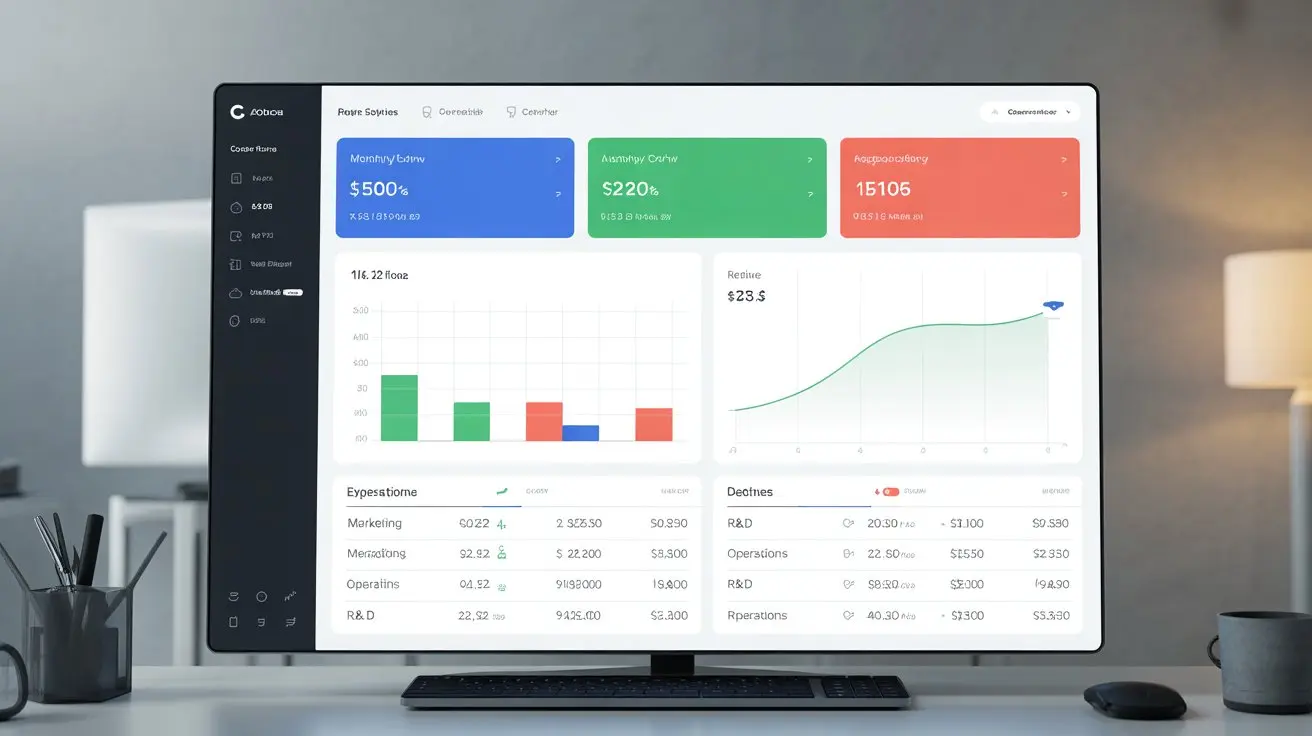
It is very important to manage your finances.
Key Practices:
- Record all expenses
- Keep some emergency funds
- Do not borrow where necessary
- Focus on being profitable
Your financial choices must be inline with your overall finance strategy for the business.
Bootstrapping vs Funding
Bootstrapping:
- Greater control
- Slow growth process
- No risk of dilution
External Funding:
- Fast growing process
- Loss of ownership
- Pressure from investors
It depends on you what you want to achieve.
Role of Marketing in Bootstrapping
Marketing without much money can prove difficult but it is achievable.
Effective Strategies:
- Content marketing
- SEO optimization
- Social media marketing
- Referrals
Your landing page for startups becomes very crucial here.

Building Systems While Bootstrapping
Even with tight budgets, systems are necessary.
Why Systems Matter:
- Save Time
- Boost Efficiency
- Minimize Errors
Use SOPs for small business to set up your procedures.
Customer Support in Bootstrapped Startups
Happy customers make the company thrive.
Focus on:
- Rapid Response Times
- Personalized Communication
- Issue Resolution
Effective customer service for startups is vital for retaining clients.
Hiring in a Bootstrapped Startup
Recruit strategically.
Tips:
- Postpone hiring as long as possible
- Work with freelancers first
- Hire for impactful positions
Once ready, recruit effectively by following hiring first employee.

Scaling a Bootstrapped Startup
Scaling demands meticulous planning.
Key Strategies:
- Enhance Procedures
- Automation
- Profitable Growth
- Reinvest Earnings
- Avoid premature scaling
Common Mistakes to Avoid
1. Overspending Early
Budget carefully from the onset.
2. Ignoring Cash Flow
Cash flow problems can spell doom for any startup.
3. Scaling Too Quickly
Expansion without systems will fail.
4. Lack of Strategy
Absence of a roadmap turns bootstrapping into chaos.
Future of Bootstrapping
Bootstrapping is changing as technology changes.
Trends:
- No-code platforms
- Distributed team collaboration
- Artificial intelligence
- Worldwide reach
This makes bootstrapping easier than ever.
Conclusion
Bootstrapping a startup is a fantastic method of creating a sustainable business that does not compromise its autonomy.
For bootstrapping success:
- Prioritize profitability
- Manage costs effectively
- Enhance financial health by implementing a startup finance strategy
Bootstrapping not only creates a business; it creates a solid base for future growth.