
SOPs for small businesses are the basis of efficiency, consistency, and future growth. Without proper systems, small businesses depend too much on people, which causes mistakes, inefficiencies, and makes it hard to grow.
Creating SOPs is an extra task for startups and small businesses at first glance. However, the sooner you develop systems, the easier it will be to scale.
To be truly effective, SOPs must be in line with your startup’s pricing strategy, landing page for startups, and customer support for startups.
What are SOPs for Small Business?
Standard Operating Procedures are step-by-step guides on how certain tasks need to be done in your business.
With SOPs, you’ll achieve consistency, make sure your employees follow a set process, minimize mistakes, and simplify training.
Simply put, SOPs help transform your business into an efficient system.
Why SOPs are Important for Small Businesses
Small businesses have common struggles like inconsistent performance, dependence on people, and lack of structure. SOPs fix all that.
Benefits of SOPs:
- Efficiency gains
- Time savings
- Minimize mistakes
- Make it easier to scale
- Standardization
When properly combined with your sales and operations strategy, SOPs guarantee efficient business performance.
Types of SOPs for Small Business
1. Operational SOPs
Business operations including but not limited to:
- Processing orders
- Controlling inventory
2. Marketing SOPs
Involves:
- Generating content
- Managing campaigns
These SOPs help in the implementation of your landing page for startups marketing.
3. Sales SOPs
Includes:
- Handling leads
- Following up
- Closing deals
Should be according to the pricing strategy of your startups .
4. Customer Support SOPs
Encompasses:
- Dealing with responses
- Resolving complaints
Closely related to your customer support SOP for startups.

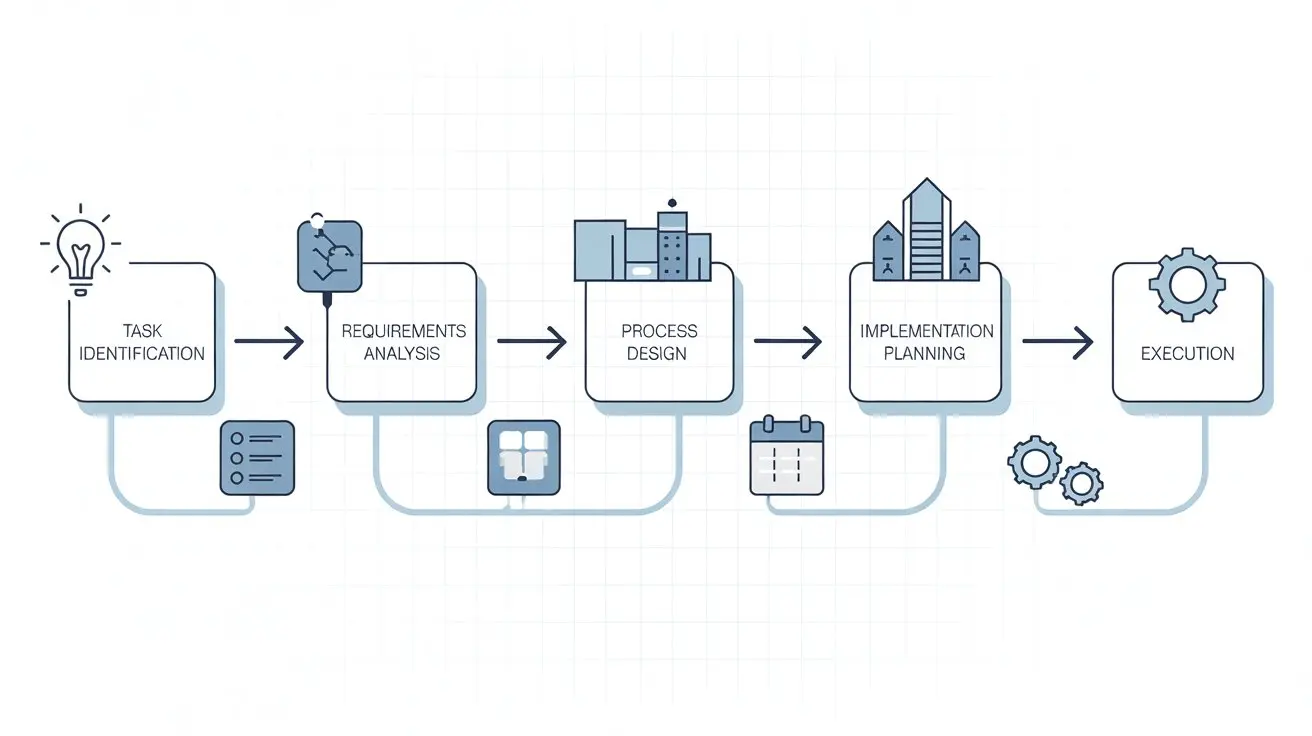
How to Create SOPs for Small Business
Writing SOPs doesn’t have to be hard.
Step 1: Identify Repetitive Tasks
Focus on those that:
- Occur daily
- Lead to confusion
- Have an impact on outcome
Step 2: Break Down the Process
Write out each activity step by step:
- Write in plain language
- Be specific
Step 3: Assign Responsibilities
Assign who should handle each activity.
Step 4: Document Everything
Utilizing:
- Google Docs
- Notion
- Dashboard
Step 5: Test and Improve
SOPs must change:
- Update frequently
- Enhance according to reviews
Best Practices for SOPs
1. Keep It Simple
Don’t complicate the language used.
2. Make It Accessible
Let your team have access to SOPs.
3. Use Visuals
Include screenshots or flowcharts when necessary.
4. Update Regularly
Old SOPs cause misunderstandings.
Common Mistakes to Avoid
1. Overcomplicating Processes
Keep SOPs simple and useful.
2. Not Training Employees
If your employees fail to implement SOPs, then there’s no use having SOPs at all.
3. Ignoring Updates
Businesses evolve over time, but not when SOPs are left stagnant.
4. No Integration
Your SOPs should match:
- Pricing
- Marketing
- Support systems

How SOPs Help Scale a Business
Scaling up without implementing systems is destined to fail.
How SOPs can assist with scaling:
- Reduce reliance on founders
- Improve efficiency among the team members
- Deliver consistent outcomes
SOPs will help you implement your pricing strategy effectively, along with improving execution on your startup landing page.
SOPs and Automation
With SOPs, automation is made easy.
Examples:
- Automating emails
- Automated customer support
- Marketing processes
No SOPs, no automation.

How SOPs Fit Into Your SEO Cluster
Your SOP blog adds value to your entire cluster.
Cluster Structure:
- Pricing Strategy
- Landing Page
- Customer Support
- SOPs
- Pillar Page
Future of SOPs for Small Business
SOPs have adapted alongside technological advancements.
Trends:
- Artificial intelligence-based SOPs
- Automation-driven systems
- Cloud-hosted SOPs
- Real-time tracking of procedures
Companies that implement systems first experience quicker scaling.
Conclusion
SOPs in small businesses are crucial in creating an efficient and scalable company.
To do well:
- Write down your procedures
- Keep things easy
- Align your SOPs with your startup pricing strategy
- Improve your startup landing page
- Enhance your startup customer support
- Integrate all with your sales and operations balance strategy
When your systems work well, your company becomes more manageable and scalable.