
2026 saw social media marketing provide a level playing field for new businesses because they are now able to compete in the marketplace with little to no budget against large, well-known companies for the attention and engagement of users. With over 4.8 billion people around the world actively using social media, there has never been a better opportunity for new businesses to create brand awareness, build a database of potential customers, and create communities of loyal customers than there is today. For many new businesses, using social media for marketing can provide a large reach and target audience at a much lower cost than traditional means of advertising such as TV commercials or print ads, but they still provide the ability to target audiences in real-time and build relationships with their followers to turn them into customers or advocates for their company.
For a complete breakdown of modern growth tactics, check out our Startup Marketing Strategies 2026 guide.
Why Social Media Marketing Transforms Startup Success
Using Social Media To Create A Brand Community is far more than simply putting up an occasional status update or a press release about the latest happenings in your company. It is the process of developing and nurturing a passion-based community around your brand in addition to establishing yourself as a thought leader in your industry. This creates an emotional bond between you and your target customers that will lead to ongoing loyalty, referral business, and long-term growth for your company.
Through the ability of social media to create viral content, startups can create tremendous brand awareness at an affordable price. A single post that has been designed properly can become viewed, shared, and interacted with by thousands of people; this would have been very expensive if you had tried to reach those people through traditional means of advertising.
In today’s world of marketing, consumers, specifically millennials and generation z’ers, expect all brands to have a strong social media presence. Before they buy, they typically research brands on social media platforms, read reviews and look at the personality of brands. If your startup does not have an effective social media presence, you will be missing out on valuable opportunities to convert these potential customers into paying customers.

Understanding the Social Media Landscape for Startups
Every platform has its unique purpose and audience, therefore each requires a strategic approach based on that particular platform’s best practices (e.g., what types of content to post) as well as user expectations for the given platform. Your startup should determine which platforms are best suited to your business model, the target demographic of your audience, and the type of content produced.
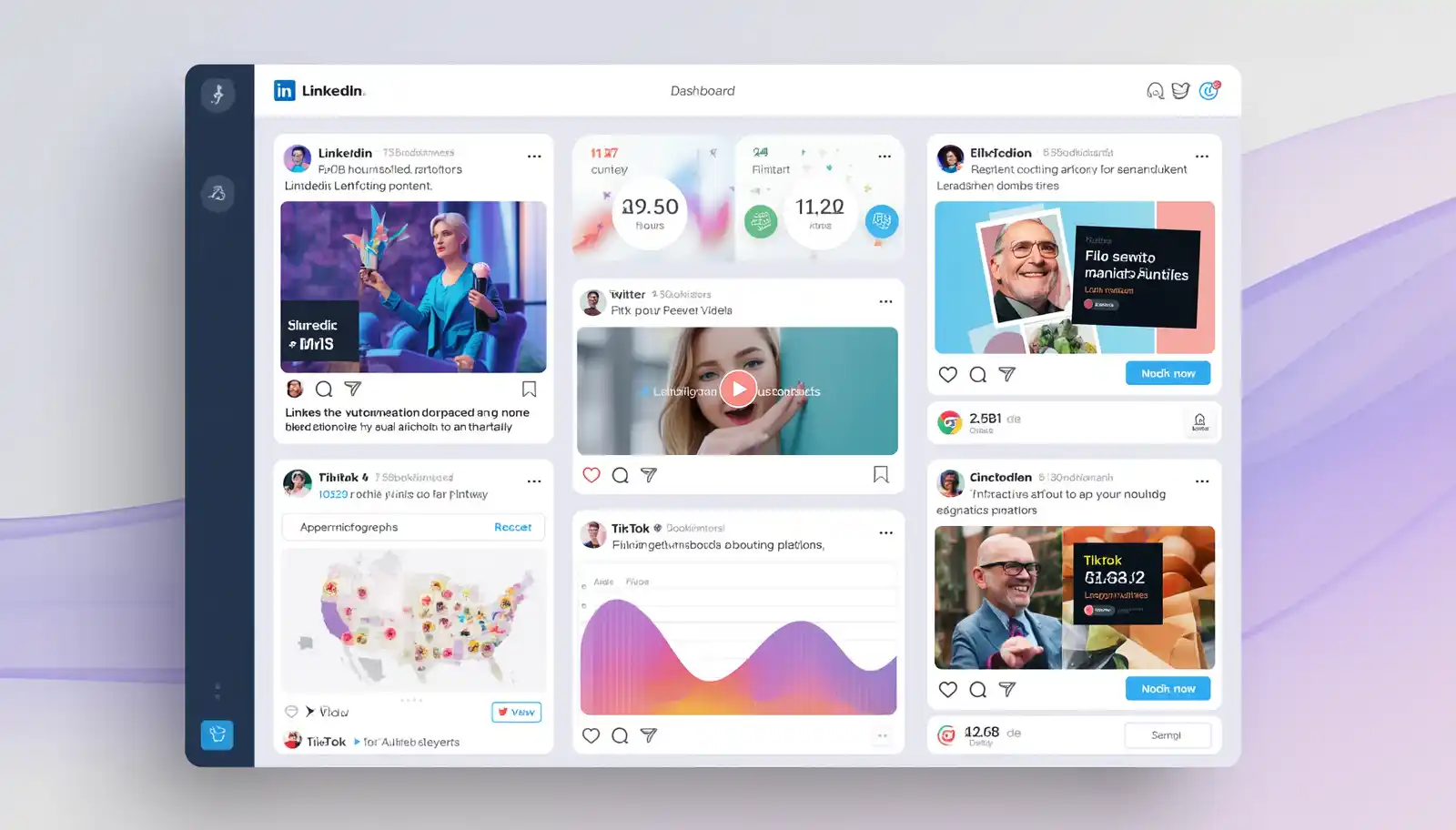
For example, LinkedIn is a great platform for B2B startups that want to reach professionals and/or meet with business decision-makers; whereas, Instagram and TikTok are effective platforms to reach younger, consumer-oriented audiences via visual storytelling.
As such, the typical behaviours of users of various social media platforms because each type of platform is geared toward a specific type of interaction/engagement. For example, the users of Twitter are typically looking for real-time information and opinions about specific industries; LinkedIn users are generally looking for professional insights and thought leadership; and Instagram users often appreciate behind-the-scenes visual content and storytelling.
The consumption of content also varies among the different platforms – on LinkedIn, users are likely to consume and share long-form articles, while on TikTok, users will consume and share short-form videos for entertainment purposes. Understanding these distinctions allows startups to create content that resonates with their targeted audience based on their expectations from that particular type of social media platform, and also to develop their content strategy based on the algorithms of each platform.
Developing Your Social Media Strategy Framework
To strategically market your business on social media, you need to do so with clarity in purpose (objectives), knowledge of your audience (target audience), consistency in messaging (brand messaging), and consistency across all platforms and touchpoints.
Clarifying the purpose of each of your social media activities through the use of goals will give you direction on where to go with your social media programs and provide a means by which to measure their success or failure and optimize them.
When you create a brand voice, you create a manner in which you express yourself consistently. You want this manner in which you express yourself to reflect your company’s values while still matching what your target audience would like or prefer so you create a consistent, identifiable and memorable interaction with your business.
Establishing content pillars gives you a framework for how much consistent and relevant content you can create. You need to come up with the core topics or themes around which you will create your content so that you can establish your authority around those topics while also providing value to your audience, including topics such as: Industry insights, product education and demonstrations, case studies of customer successes, culture about your company, etc.

Content Creation That Drives Engagement
To create social media content that is engaging and effective at reaching your audience, you must understand their preferences to create value for customers, promote your brand, and achieve your business objectives.
Visually telling stories allows you to captivate your audience and convey complicated concepts quickly and memorably. Incorporating high resolution pictures; using infographics, videos, and interactive content will help you stand out in a competitive social media environment, while also reinforcing the brand identity and messaging of your business.
Using customer generated content allows brands to harness customer enthusiasm to showcase the value associated with your product to others, which has the potential to impact purchase decisions. Encouraging customers to share their experiences; creating branded hashtags related to the purchase of a product; and prominently displaying stories from customers on your social media places you in a great position to leverage this proven marketing tactic.
By providing behind the scenes content, you also give your startup an opportunity to create a relationship with your audience by assisting them in building an emotional connection through transparency. Topics that fall within the category of behind the scenes content may include: founder stories; moments spent with your team; how your product is developed; and/or how you have achieved success as a business.
Educational content can help you establish thought leadership within the market, while at the same time providing value to your audience. This could include developing tutorials; writing about industry insights; providing tips and/or resources; and so on – essentially, anything that can help your audience solve problems, while positioning your startup as a well-versed expert in the field.
A strong content foundation is essential—learn more in our guide on content marketing for startups.

Platform-Specific Strategies for Maximum Impact
Every social networking site calls for particular tactics. These different approaches utilize certain features of the platform while enabling interaction with their user base.
Marketing on LinkedIn is focused on networking through professionalism, creating thought leadership surrounding specific industry topics and building rapport with B2B organizations. Thoughtful posts which include useful industry knowledge, contributions to professional conversations, sharing longer-form written articles and actively engaging with other executives are ways to establish credibility and generate leads through LinkedIn.
Instagram Marketing is more reliant on visually telling the story of the brand as it applies to the image of the brand and the lifestyle it represents. Using high quality images, Stories, Reels, and IGTV allow companies to tell their brand story through photographs while creating an aspirational image for potential customers.
Twitter Marketing is used to build real-time, intimate connections, comment on industry events, respond to customers, and engage with key industry influencers, to build brand recognition and establish the authority of the brand.
Marketing on TikTok gives businesses the opportunity to connect with younger audiences via short-form creative videos that are entertaining, educational, or motivational. To achieve brand authenticity while providing value, experiment with trending content and challenges using creative formats.

Building and Growing Your Social Media Community
A strategy for growing social media sustainably includes continuing to engage with and build an authentic relationship with the current audience as well as strategically developing a community to turn followers into potential customers as well as advocates for the brand.
The social media engagement with the current audience should focus on creating a genuine connection rather than just sending out messages. It is important to respond to comments and messages quickly, ask questions for discussion, and engage in the conversation in the industry and with the target audience communities.
Collaborating with influencers, including micro-influencers, industry experts, and satisfied customers that align with the brand’s values and target similar audiences, can increase your reach and provide an additional level of credibility and trust.
Community management within an organization requires continuous monitoring, timely responses to inquiries, and proactive engagement to sustain a positive reputation within the community and respond to negative issues.
Utilizing a strategy of hashtags can enhance the discoverability of your content and connect with communities and conversations that should be aligned with your brand. To maximize these opportunities, you will need to do two separate research activities. First, identify the well-established industry-specific hashtags; and second, define branded hashtags for the organization. Additionally, engage in trending topics that are relevant to your brand and target audience.
Once you build an audience, email marketing helps you nurture and convert them into loyal customers.

Social Media Advertising for Startup Growth
Paid advertising on social media can boost your regular advertising efforts, allowing you to reach out to the right people with maximum cost efficiency while providing valuable data that helps you decide what works best for your business.
With ad targeting options on social media platforms, you can build ideal customer profiles and then use options based on demographics, interests, behaviours, or other criteria to put ads in front of potential customers determined by their characteristics and actions.
There are also budget optimization strategies from ad networks that allow you to maximize your advertising impact while managing costs through budget-tested advertising by first testing them at low budgets and then scaling up the amount of money invested on successful campaigns.
Testing different creative elements in your advertising will help you determine the best ways to reach out to your target audience using different ad formats, messaging, and visuals. Performing A/B tests with the different sets of ads with multiple variations will give you insight into what type of creative element works best for your campaign and will improve overall campaign performance and return on investment.
Retargeting your ads with website visitors or social media users who previously visited the page of your start-up but did not complete the action of doing so will help you convert those warm prospects into actual sales because of their familiarity with your start-up, allowing them to take action for less than cold prospect advertising.
Measuring Social Media Marketing Success
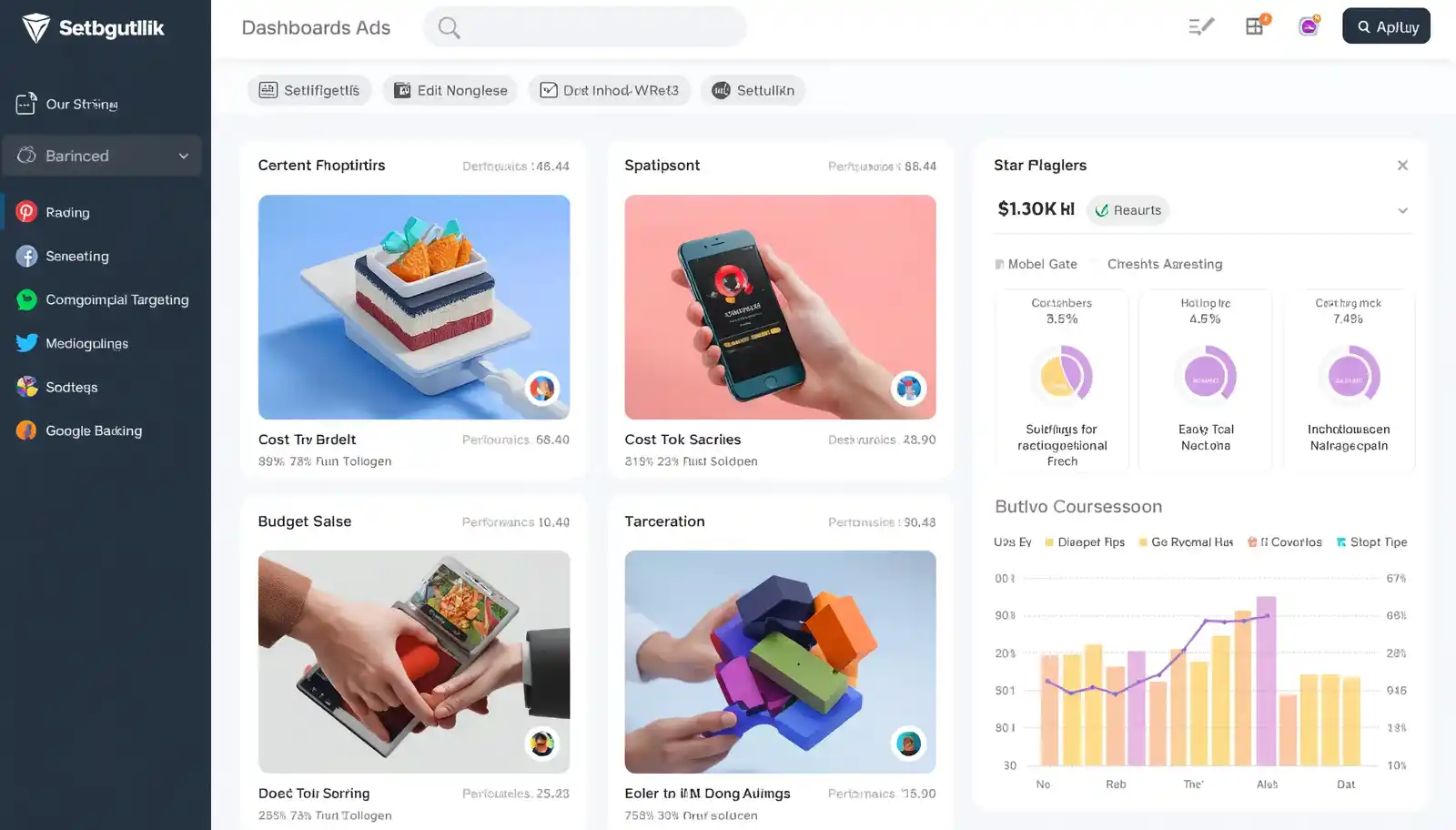
Startups can use comprehensive analytics to see how their social media marketing affects their business. The analytics will also allow startups to identify potential opportunities to improve their overall marketing return on investment (ROI), thus giving proof of performance to both the stakeholders and the investors.
In gauging the overall success of social media marketing there are several key performance indicators (KPI). These KPIs include social media reach, social media engagement rate, socially billable follower growth, website traffic, lead generation and customer acquisition. In order to maximise your marketing effort, it is important that you monitor the above metrics that are aligned with your business’ specific objectives instead of only tracking vanity metrics.
Social media listening tools can help you monitor mentions of your brand and industry, as well as engage in conversations about your competitors. These social media listening tools can help you find opportunities to engage and create content. This will assist you in improving products, addressing concerns, and identifying trending topics.
Attribution tracking bridges the gap between the activities you do on social media and the business results you receive, such as leads, sales, etc., in addition to calculating the customer lifetime value. You can track the results of your several marketing efforts using UTM codes, conversion tracking and analytics platforms.
An ROI calculation will allow you to justify your investment(s) in social media marketing while identifying which social media platform or type of marketing campaign generates the best return. Tracking your customer acquisition cost versus your customer lifetime value can assist you in reallocating your marketing budget effectively across all marketing channels.
To further amplify your results, combining social media with SEO strategies can drive long-term organic growth.

Crisis Management and Reputation Protection
A public platform like that of social media means that your startup needs to have proactive methods for managing the reputation of your brand through trust and loyalty from its customers. Crisis response protocols are established by using straightforward methods for how to respond to negative comments, customer complaints, and to identify potential threats to the reputation of your business. These methods can include developing templates for a regular response, having an escalation protocol, and providing an approval process to ensure that responses are made quickly and appropriately.
Reputation monitoring tools can be used to assist with tracking your brand’s mentions in social media and include alerts that notify you of issues that occur. Keep track of branded keywords, executive names, industry terms and other keywords to monitor online conversations about your startup.
Building trust through transparent communication provides the foundation for accountability when dealing with issues in both a timely manner with solutions to these matters, and with follow-ups to verify and confirm customer satisfaction and resolution.

Social Media Marketing Automation and Tools
Marketing automation applications assist start-up companies in managing a variety of platforms effectively without losing personal touch and authentic branding.
Content scheduling programs allow you to consistently share content on multiple platforms while optimizing for maximum engagement based on peak times. Use these tools to keep your presence active without having to post by hand on a regular basis.
Social media management software gives small teams the ability to monitor and engage with customers or clients, as well as analyze data, from one central location while improving their working processes. Select a solution that integrates with your current marketing technologies and has all the features you need.
Integrating chatbots into your company’s website provides flawless real-time customer service and qualifies prospective customers when they visit your website or initiate conversations through messaging services; this redirects to the right person to help them. Use automated responses for routine inquiries and provide a quick and easy way to connect with a live agent if necessary.

Building Social Media Marketing on Startup Budgets
Social media can be made to appear as if it was produced by someone who is paid a lot of money for their artwork or looks like an artist does from just starting a new company and trying things out. When you look carefully at the way that most companies present themselves on social media, it’s easy to see why so many people do not use this type of marketing. People are under the impression that to generate revenue from a business one must have a very large budget, and in some cases this may be true; however, if you take the time to learn about how social media can help you with your business goals then you can have great success from the beginning without having to spend a lot of money.
This approach works best when combined with a broader strategy outlined in our Startup Marketing Strategies 2026 guide.
Conclusion: Social Media Success for Your Startup
Startups can leverage social media to build brand recognition, nurture relationships with customers, and drive growth through a genuine social community and by developing strategic content. Through a focus on delivering value, consistently engaging, and optimizing for the platform being used, startups can compete effectively against larger brands while establishing an engaged customer base.
To do this, define clear goals, select social media platforms that will be used by your target audience, create meaningful content that is relevant to the needs and wants of your audience, and develop relationships with customers as the priority and sales second. If you build a relationship with a user on social media, the sales will come naturally.
Social media is an important tool that allows startups to develop long-term sustainable competitive advantages based on direct-to-consumer relationships, brand loyalty, and community support — all contributing to their ongoing growth and eventual success.
