
In 2026, the highest ROI of all digital marketing channels for startups continues to be email marketing at $42 earned for every dollar spent. With the constant changes of social media algorithms and increasing costs of paid ads, email marketing allows startups to reach their most engaged prospects and customers in a direct, owned way.
Email marketing also offers bootstrapped startups operating on a budget exceptional cost efficiency and extremely targeted capabilities. Unlike other media where attention is fought for in crowded timelines, an email lands directly into the subscribers’ email box creating a one-on-one, intimate communication opportunity that creates a long-lasting building block in customer relationships.
In 2026, email marketing remains a core part of broader startup marketing strategies, helping businesses build direct and scalable growth channels.
Why Email Marketing Drives Startup Growth
Email marketing for startups is much more than just sending out a newsletter. It’s actually a complex relationship building platform designed to help potential customers through every phase of their journey while also keeping you in contact with current customers. Through this method of communication you can send direct communications with targeted information to accomplish specific goals for your business.
Using permission-based email marketing, you can attract high-quality prospects that are interested in your business simply by opting-in to receive your marketing materials. Because these individuals have voluntarily chosen to be a part of your subscriber list, it shows their true interest in what you have to offer. This self-selection of who you communicate with creates an environment where engagement rates as well as conversion rates are significantly higher than they would be using traditional interruption advertising.
The latest generation of email marketing software offers cutting-edge features that allow small startups to deliver an individualized customer experience at scale. Today’s software has advanced features including behavioral trigger-based segmentation, and performance measurement capabilities that previously only large businesses with their own dedicated marketing teams were able to access.

Building Your Email List from Ground Zero
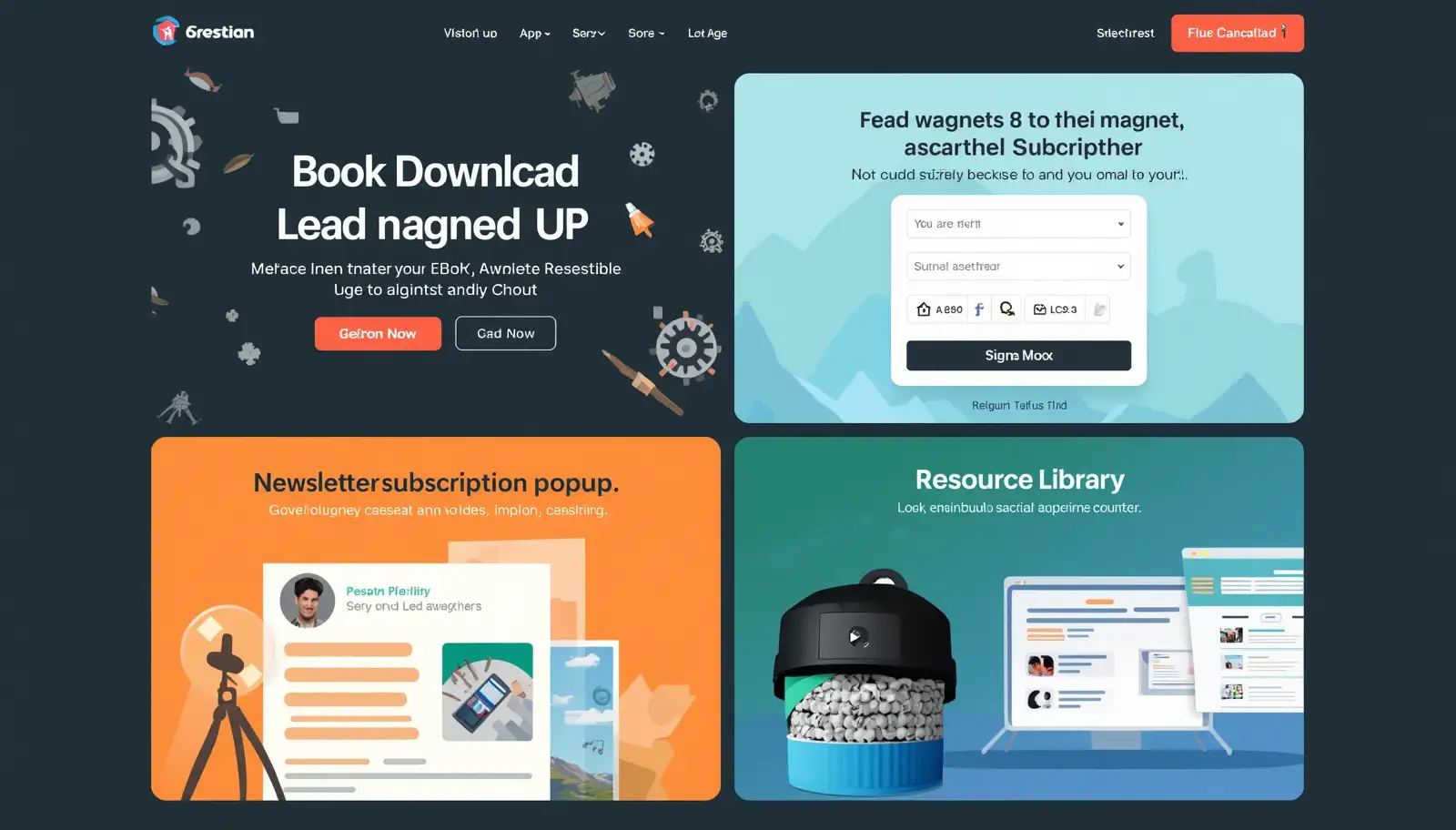
Building an audience from scratch can seem very intimidating; however, creating an email mailing list will help your business grow by giving you an endless supply of new customers. One of the critical components of starting an email list is using lead magnets. These are free products that your audience can use to resolve an immediate problem and also demonstrate your authority in that area. Examples of effective lead magnets are: the creation of industry reports, creating templates and checklists, giving free trials, and providing exclusive content that will immediately help your audience solve a problem.
The design of an opt-in form (where new subscribers enter their email addresses) has a major impact on whether a subscriber will opt-in or not. Therefore, you want to experiment with different designs, placement locations on your website, and copy (the words used to describe your lead magnet) to get the most conversions. Each type of opt-in form has a different purpose and audience preference. Therefore, you want to test each type of form before deciding which one will work best for your startup.
By making a content upgrade (addition to an existing blog post) available, you have created an email list-building opportunity. For instance, if you have written a long blog post about how to create a program plan, you could create a more detailed version of this blog post as an exclusive content upgrade (inside your email). This enables you to capture an email address from an engaged visitor who wants to learn more about your blog post.
Email Marketing Strategy for Startup Success
Creating an email marketing strategy that is comprehensive means your emails will be designed with purpose and progression from prospect to customer to advocate. Email is a foundational piece of online marketing as it can drive prospects through each stage of the buyer’s journey through targeted communications.
A customer journey map helps identify where in the customer journey email marketing can be valuable and what type of action can be driven (i.e. Welcome series, education, product demonstrations and post-purchase follow up). The goal of creating the customer journey map is to map the path from first awareness all the way to post-purchase with thoughts on how to inject email into the customer journey.
Start-ups can use email segmentation to send the right message to the right group of subscribers based on their behavior, preferences, demographics and/or level of engagement. Compared to broadcast email marketing the results of segmented campaigns will show a much higher open, click, and conversion rate.
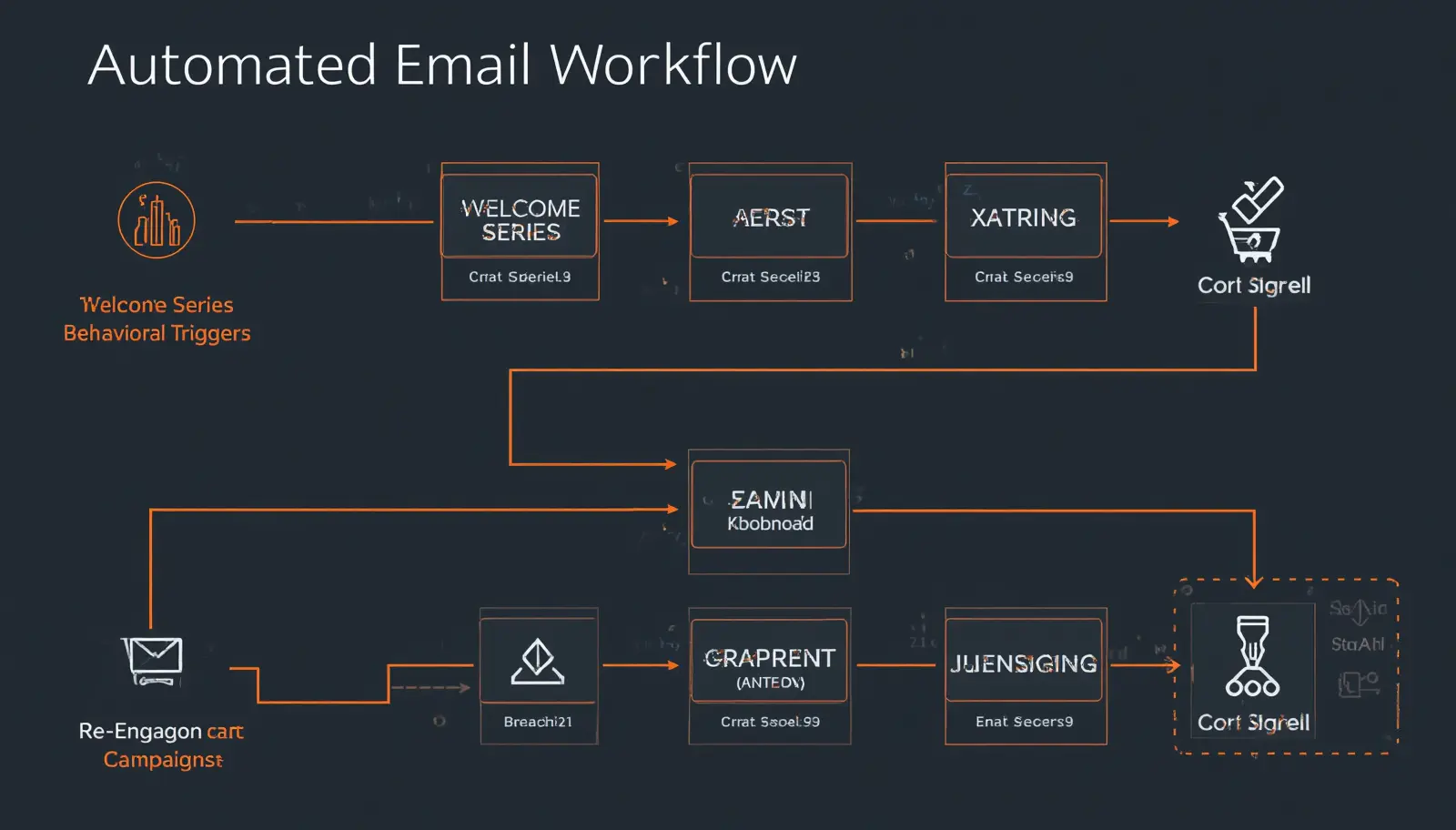
Automating communications helps send routine communications while also providing personal touch points with your subscribers. Automating welcome series, abandoned cart recoveries, onboarding sequences and re-engagement campaigns allows for continuous nurturing of relationships and driving conversions.
You can also combine email list building with SEO for startups by driving organic traffic to high-value blog content and converting visitors into subscribers.

Crafting Compelling Email Content That Converts
Email content should provide value with respect to the company; producing content that members look forward to receiving and generating results that can be measured by the company.
The subject line can make or break whether an email is opened; therefore, marketplaces must develop subject lines that create curiosity, provide value, and use urgency without using words that will trigger spam filters to not classify the email as spam/non-deliverable. The subject line should also be tested frequently in various ways so that data can be collected to determine what works best for the audience receiving the email.
The email content for startup companies should highlight the benefits of the items discussed in the email rather than just listing the features and be conversational in tone. Storytelling is a good way to show the reader how to relate to the email content, and a clear call-to-action at the end of the email tells the reader what to do next in order to meet the goals of your company.
The email visual design helps with the reader’s engagement and interaction; the visual design must also support the brand of the startup. The emails must be visually appealing and professional across all email clients and devices; therefore, the company should use proper alignments, the brand colours, and the brand’s imagery correctly.
Strong content marketing for startups plays a key role in email success by providing valuable material that can be repurposed into newsletters and campaigns.
Email Campaign Types That Drive Results
There are many different types of email campaigns, each serving a unique purpose as part of the overall marketing strategy, from designing a welcome email series to help nurture new subscribers or re-engaging a previously dormant customer.
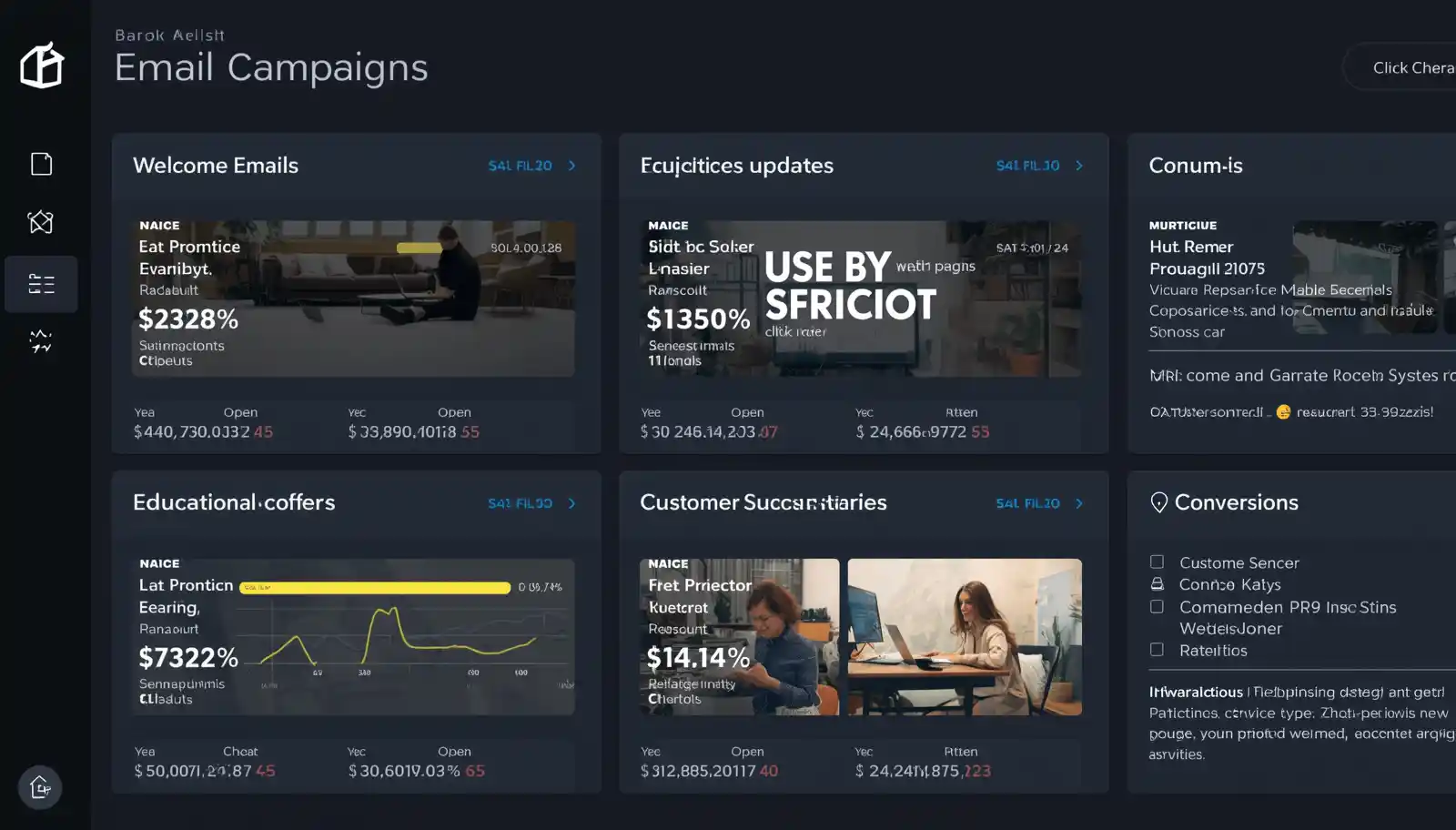
Welcome emails help create a positive first impression and establish expectations for future communications with new subscribers. You can create a series of multi-part welcome emails to introduce your startup, provide valuable resources, and help direct new subscribers to the next steps they should take to begin using your product/service.
Educational newsletters position your startup as a thought leader and provide continual value to your subscribers. Send out newsletters with industry insight, how-to guides, case studies, and exclusive content to establish your startup as a reliable source of information and an expert in your industry.
Promotional email campaigns are designed to generate a reaction from subscribers i.e. product trial, purchasing a product or signing up to attend an event. Subscribers are more likely to take action when they feel valued, so it’s important to mix value-driven content with promotional material in order to keep your subscribers engaged, while still achieving your business goals.
Providing prospects with social proof through customer success stories/case studies can prove how effective your solution is in the real world and how your solution can help them to address their challenges. These types of emails provide credibility and help prospects visualize ways in which your startup could help them achieve their desired outcome.
Email Automation for Startup Efficiency
With the use of marketing automation, small startups can create sophisticated email marketing experiences that would require a large amount of manual effort and resources to deliver manually.
Copyright Marketing automation allows small startup teams to automate their email marketing campaigns based upon subscriber behavior by sending follow-up emails based on specific user actions related to the subscriber’s purchasing intent. This includes sending automated emails when a subscriber downloads an asset, visits a pricing page, initiates a Free Trial, or any other user activity related to purchasing something.
Drip campaigns take a while to convert prospects into customers, but they are also useful for building relationships with prospects through educational materials, product demos, and other types of social proof. The purpose of a drip campaign is to help nurture a prospect through the sales funnel until they convert to a customer by automatically executing a series of emails over time.
Re-engagement campaigns are designed to re-engage with subscribers who have not engaged with an email marketing program offering compelling reasons for them to re-engage or by cleaning up their email contact list. An email marketing program’s goal with a re-engagement campaign is to keep its email list healthy to promote the highest number of subscribers possible to achieve the highest email delivery & engagement rates among subscribers.
Mobile Optimization and Deliverability
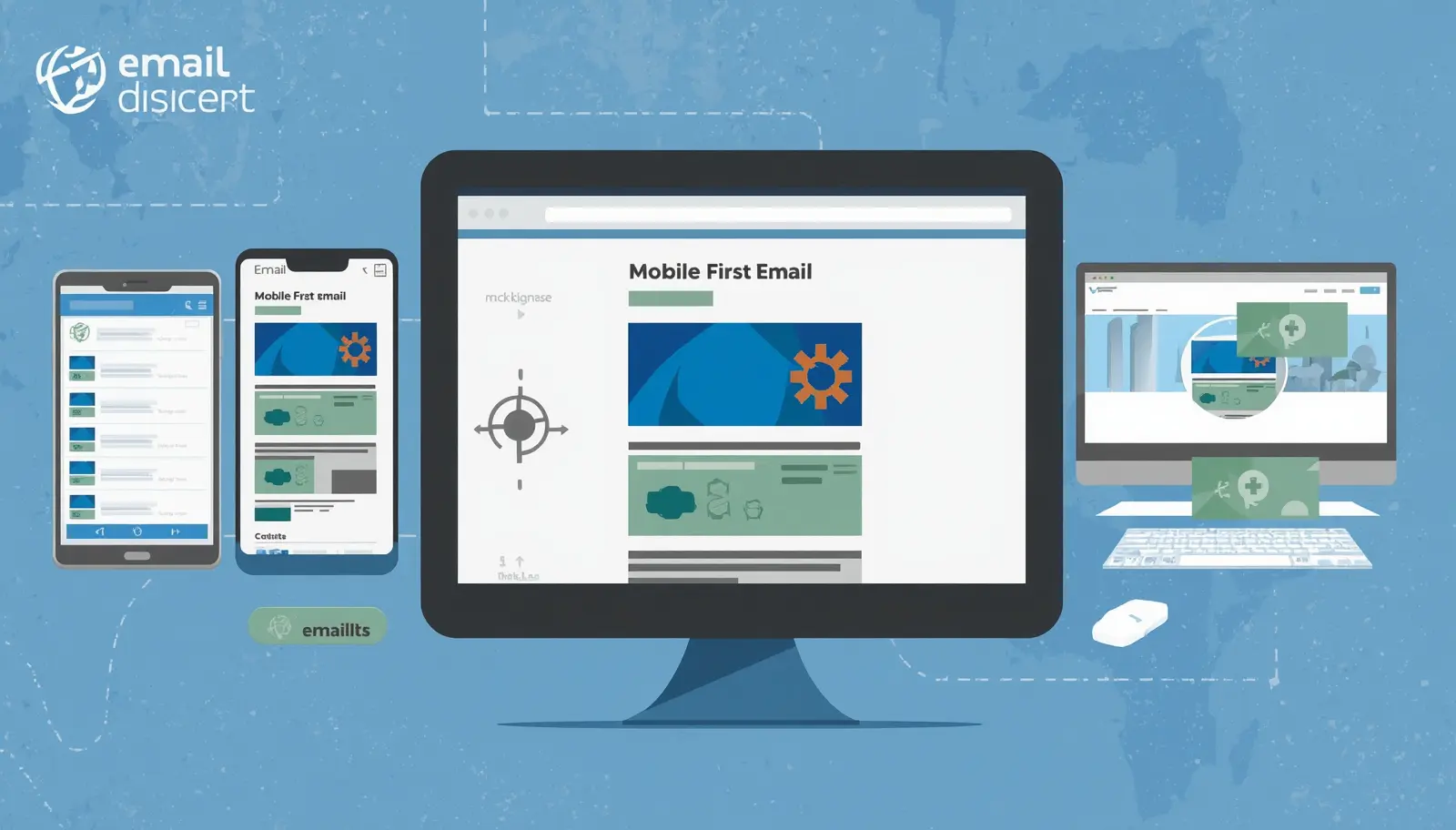
E-mail opens via mobile devices are accounted for at over 60%. This makes it imperative that e-mail marketers have mobile-optimized e-mail(s) using e-mail deliverability Best Practices.
Responsive e-mail design allows e-mail to be viewed well on any device and/or any e-mail client. Test e-mail at a variety of popular e-mail clients such as Google Gmail, Microsoft Outlook, and Apple Mail to verify that the e-mail renders and works properly for all three types.
Deliverability optimization allows the e-mail to be delivered into the subscriber’s inbox rather than going to the spam folder. Maintain a clean e-mail list, through proper e-mail hygiene practices while utilizing authentication protocols, monitoring your sending reputation, and avoiding using spam trigger words.
To increase your open rates, utilize send time optimization by sending e-mails to your subscribers during the times that they are most active. Test different send days/times to find the best days/times for all segments of your audience.
Email Marketing Analytics and Optimization
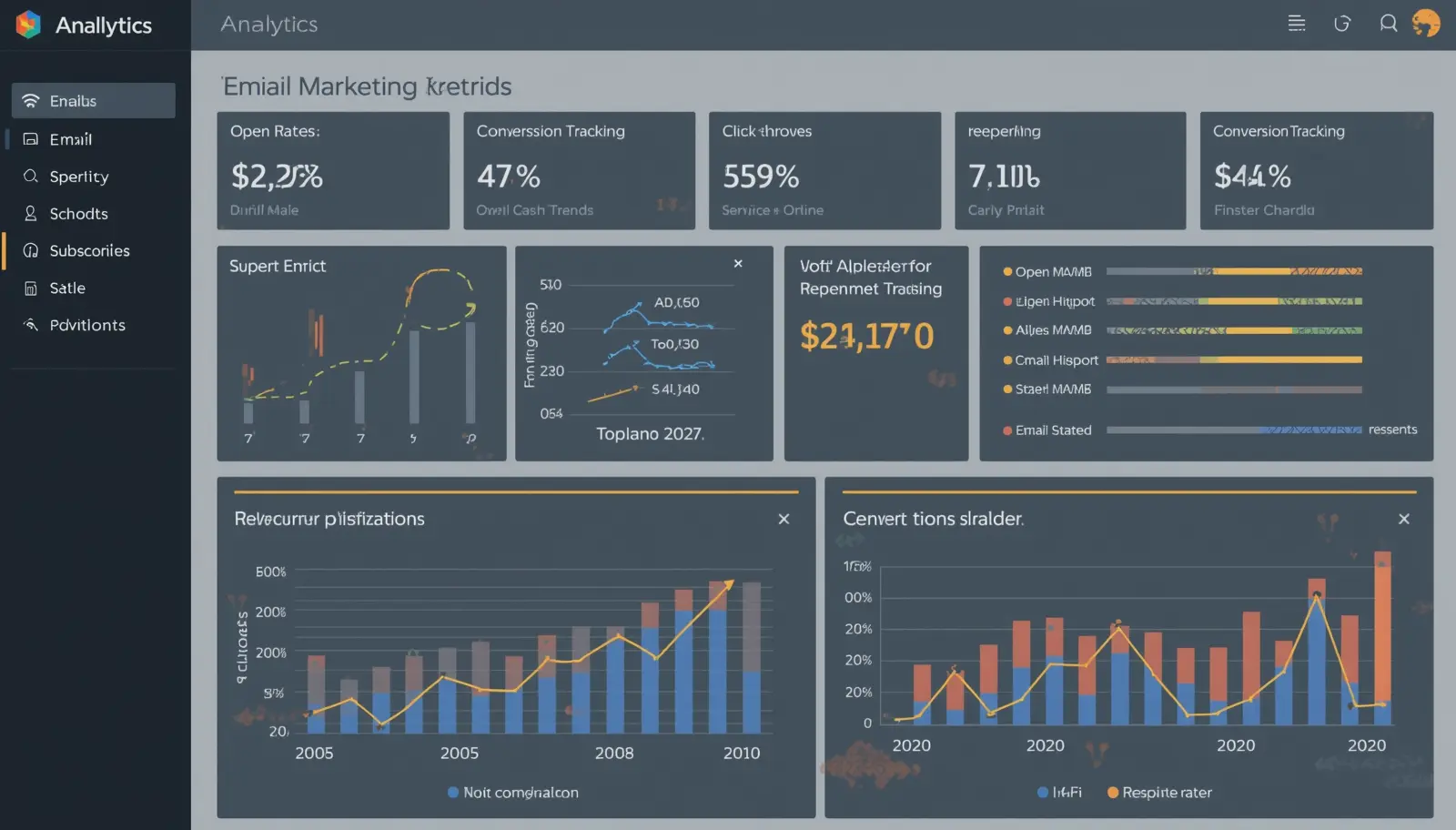
You can use metrics like Open Rates, Click-through Rates, Conversion Rates, and Unsubscribe Rates for Email Marketing Performance Measurement. Also consider Revenue Per Email. Regularly track these KPIs to assess the effectiveness of your campaign overall and identify ways to improve.
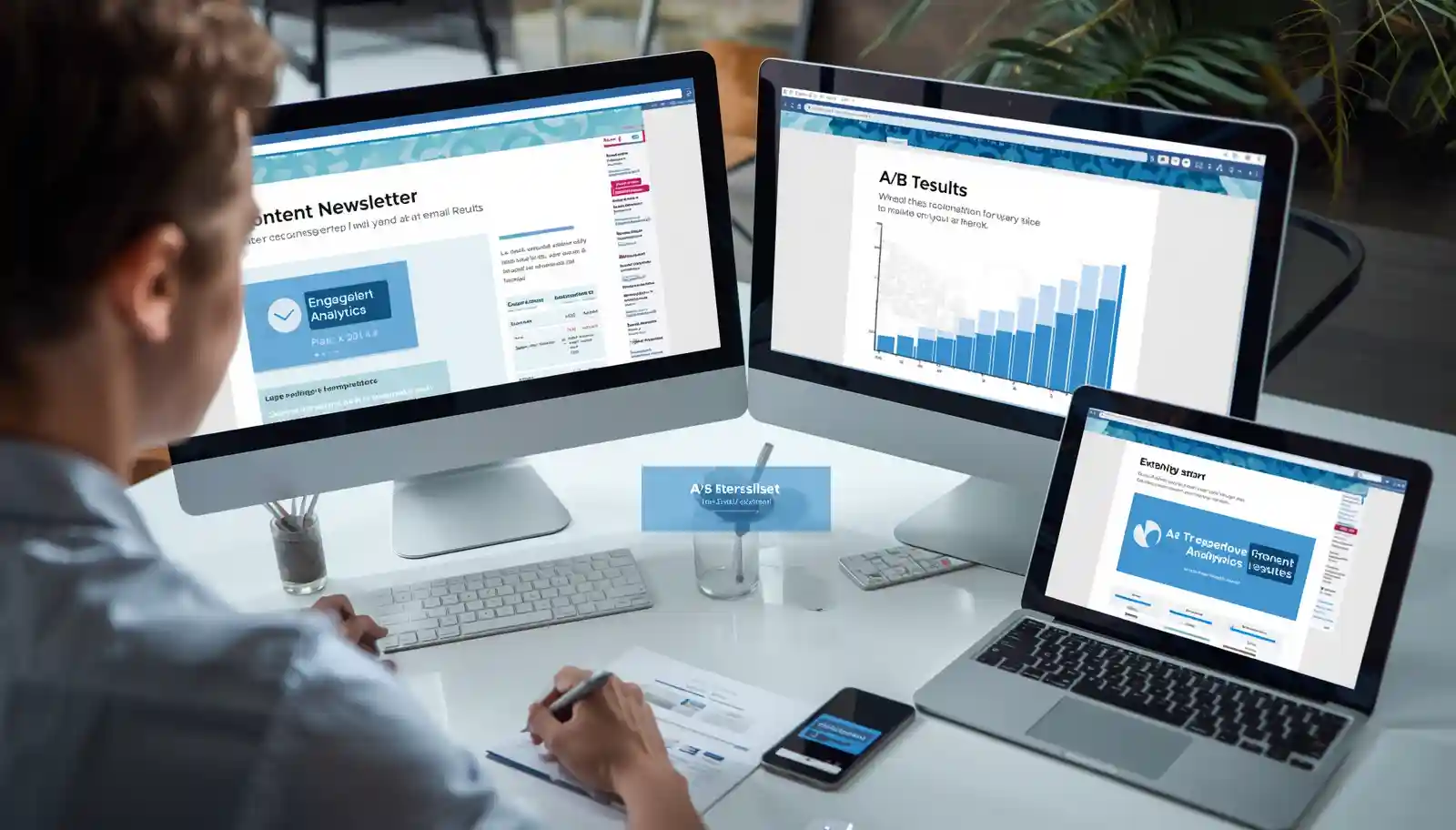
Use A/B testing to see what works well for your target audience; this includes testing Subject Lines, Content and Design Elements (including the Call To Action). Systematically conduct multiple tests to provide you with the best way to optimize each element.
Finally, Revenue Attribution connects Email Marketing to actual business results, providing start-up owners with a better understanding of how they can acquire and retain customers using their Email Marketing efforts.
Building Email Marketing on a Startup Budget
Startups that are mindful of their resource consumption can utilize low-cost email marketing tools and email marketing strategies to produce high-quality email marketing results.
When selecting an email marketing platform, it is important to balance functionality with affordability. There are numerous email marketing platforms with free tiers for smaller lists, providing startups with the ability to build an email marketing list at no out-of-pocket cost and then scale their pricing as their list grows.
DIY email templates and basic email design tools can produce professional-looking emails without needing to hire designers. The main focus should be on creating a clean layout, maintaining consistent branding, and optimizing for mobile devices rather than on complex graphics.
Repurposing blog content, curating relevant industry news, or creating a section for customer stories are examples of strategies for providing appropriate email content without consuming large amounts of additional resources.

Advanced Email Marketing Strategies
As startups get larger, they can utilize advanced email marketing strategies that will further leverage the impact of their larger subscriber lists as well as their increasingly complex business models.
With dynamic content personalization, your email will be customized based on the subscriber’s profiles (i.e., profile information), their actions (i.e., clicks), and/or their preferences (i.e., location, time-zone). You can do this by using merge fields, conditional content, or behavioural triggers to deliver relevant emails that encourage engagement and conversion.
Integrating email marketing with other marketing channels results in a consistent experience for customers. This reinforces your messaging with your customers through multiple touchpoints. For example, you can integrate your email marketing with your social media strategies, your content marketing strategies, and your sales processes for better results.
With lifecycle marketing, you will develop campaigns and offers based on each of your customers’ different stages within their lifecycle. For example, a campaign directed at prospects will be different than one directed at new customers or existing loyal customers. Additionally, you may want to create a “win back” campaign for at-risk customers, all with the goal of maximizing your customer’s lifetime value.

Email Marketing Compliance and Best Practices
To protect your business and develop subscriber loyalty, it is important to adhere to the requirements of the email marketing regulations and best practices. The consent management process is essential for complying with CAN-SPAM, GDPR, and CCPA. Through this process, you will be able to develop a solid reputation with your subscribers. You should follow double opt-in practices, make it easy for your subscribers to opt-out from your email list, and have a transparent privacy policy.
Maintaining good hygiene for your email list helps to maintain the health of your email list and keep your engagement rates high. Some of the best email list hygiene practices include removing undelivered emails, segmenting your inactive subscribers from your active subscribers, and complying with all unsubscribe requests to help maintain your sender reputation.
Conclusion: Email Marketing Success for Your Startup
Email marketing represents a unique opportunity for growing sustainable businesses through relationship-building, conversion-driving, and growth-driving activities. Startups can achieve extraordinary results, at minimal investment levels, by focusing on delivering value to their subscribers, strategically automating their processes, and continuously optimizing their email channels.
Start creating your email list now; develop excellent content that adds value to your target market; and use automation to grow your relationship with your subscribers. E-mail marketing should be focused on creating relationships first and generating revenue second; therefore, prioritize the value given to your subscribers, and the revenue will take care of itself.
Startups who build solid email marketing practices also create sustainable competitive advantages by developing direct relationships with customers that cannot be disrupted by any change in algorithm or platform.
