/ Feb 13, 2026
Trending

Starting a business is a marathon, not a sprint, and your capital is the fuel that keeps you in the race. Without a solid understanding of how to raise money and, more importantly, how to manage it, even the most brilliant ideas can fail. This guide is designed to take you from the “clueless” stage to becoming a financially savvy founder.

In the startup world, “Cash is King.” You might have a revolutionary product, a world-class team, and a landing page that converts like crazy, but if your bank account hits zero before you become profitable, it’s game over.
Most founders make the mistake of thinking that startup funding is the goal. In reality, funding is just a tool. The true goal is sustainability. Startups don’t die because of bad ideas; they die because they run out of money.
| Key Concept | What it Means | Why it Matters |
| Startup Funding | Raising capital from outside sources (VCs, Angels). | Helps you scale faster than your competitors. |
| Bootstrapping | Funding the business using personal savings/revenue. | You keep 100% ownership and full control. |
| Pitch Deck Template | A 10-12 slide presentation for investors. | It is your “sales pitch” to get investment. |
| Financial Projections | Estimating future revenue and expenses (3-5 years). | Shows investors the potential ROI of your business. |
| Break Even Analysis | The point where revenue covers all your costs. | Tells you when you will actually start making profit. |
| Small Business Accounting | Systematically tracking every dollar spent/earned. | Essential for taxes and being “investor ready.” |
| Burn Rate & Runway | How much you spend monthly vs. how long cash lasts. | Prevents your startup from suddenly running out of cash. |
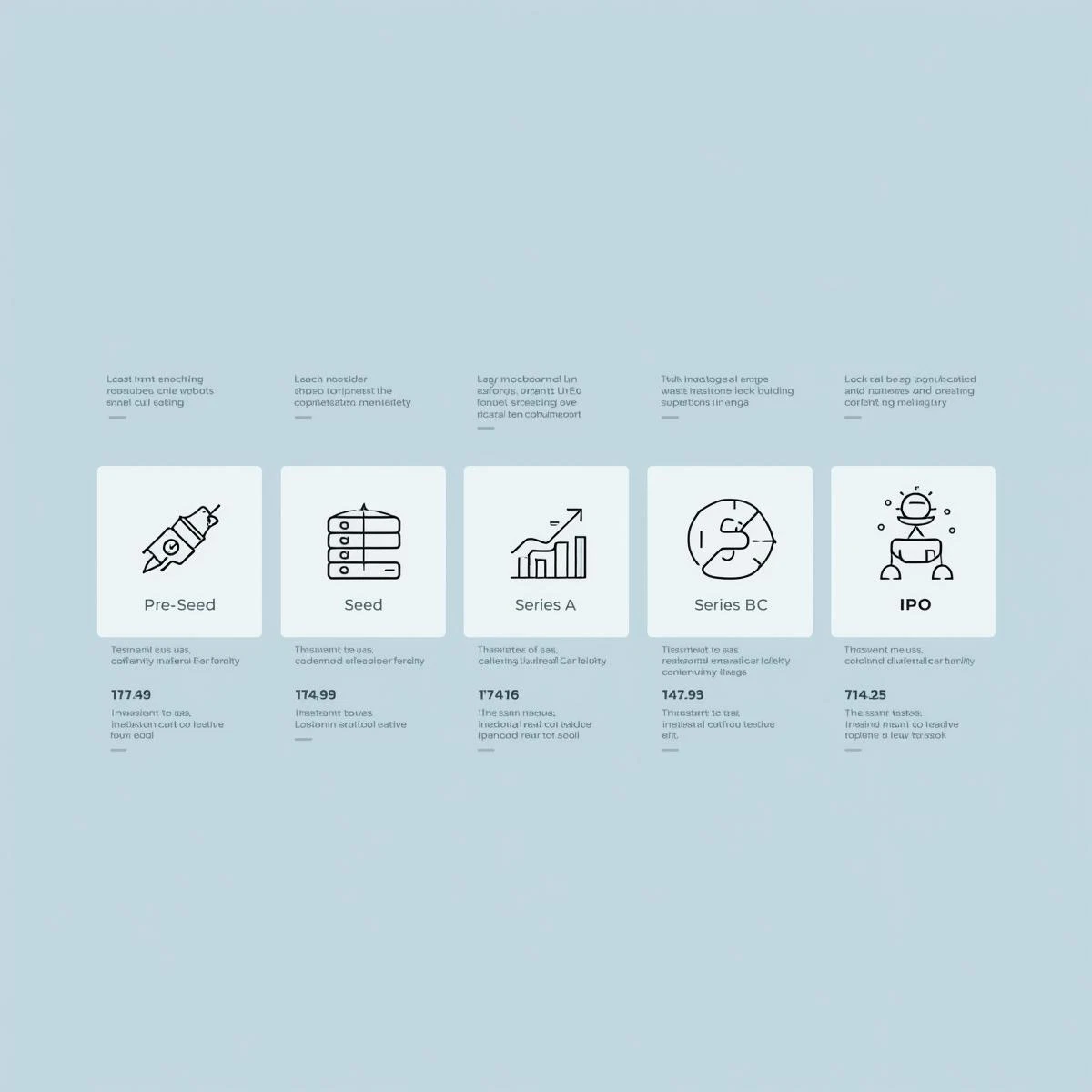
Funding isn’t a “one-size-fits-all” deal. Depending on where your business stands, you will need different types of capital. Here is the roadmap of a typical startup’s journey:
Bootstrapping a startup means you aren’t taking money from anyone; instead, you are investing your own savings or the earnings from your business back into the company.
Where will the money come from? Here are some options besides bootstrapping:
To get funded, you need more than just a chat; you need a professional pitch deck template. This is your visual story that proves your business is worth the investment.

Investors don’t just look at your past; they look at your future. Financial projections for startups are your best estimates of how much revenue your company will generate over the next 3 to 5 years.
You must show a clear path to profitability by accounting for every expense, from marketing costs to employee salaries. Accurate projections build trust with VCs and Angel investors.
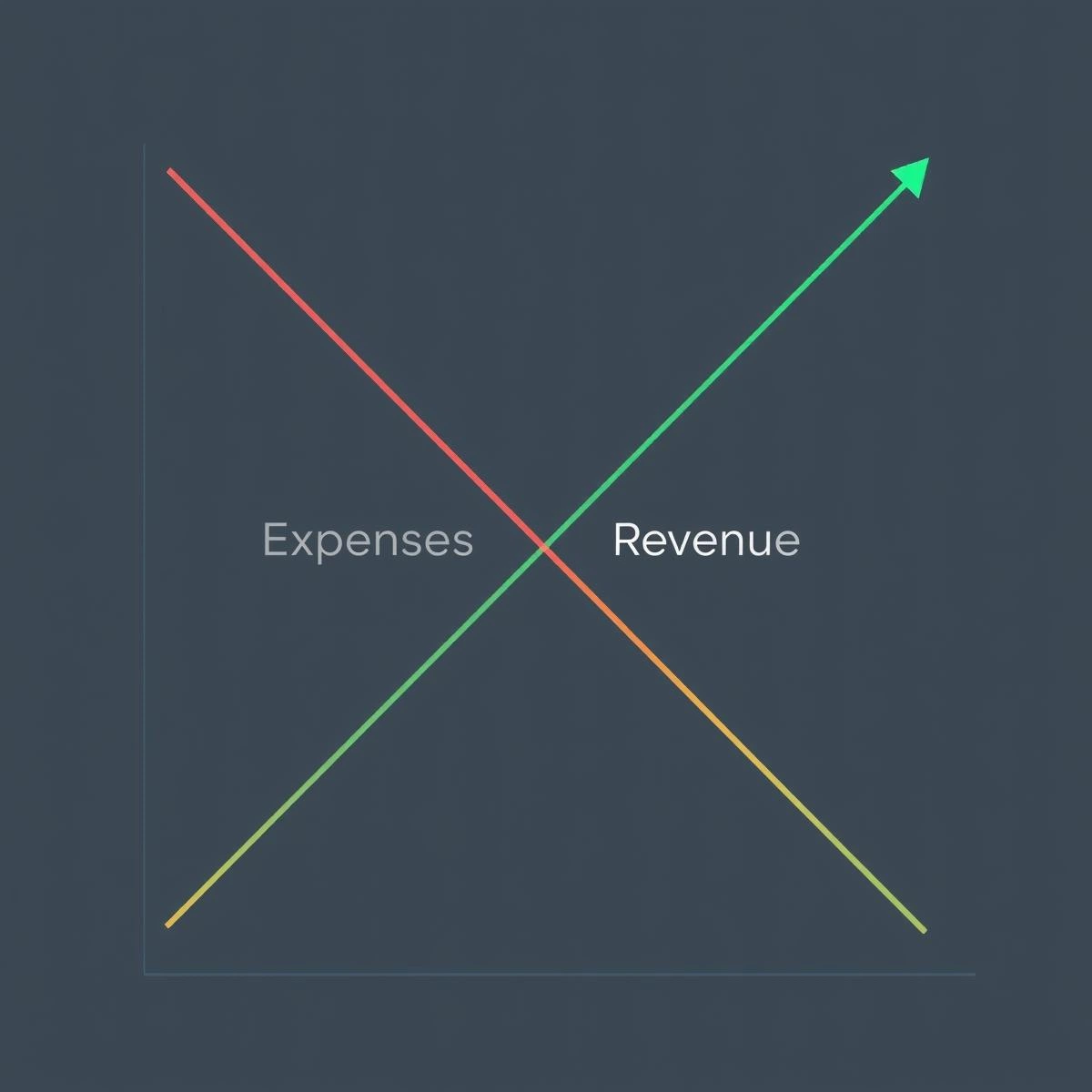
Every founder’s first big milestone should be reaching the “Break-Even” point. A break even analysis tells you exactly how much you need to sell to cover all your monthly costs.
Once your revenue covers both your fixed and variable costs, you have “broken even.” Anything earned after this point is pure profit and gives you the freedom to reinvest in growth.
Many founders ignore the “boring” stuff until it’s too late. Small business accounting is the process of tracking every dollar that enters or leaves your business.
Accurate accounting makes you “Investor Ready.” No VC will give you money if your books are a mess. Use cloud-based tools to automate your bookkeeping and ensure tax compliance from day one.

Building a successful startup isn’t just about having a “Eureka!” moment; it’s about having the financial stamina to stay in the game. As we’ve explored in this guide, startup funding and financial management are the two pillars that support your vision. Whether you choose the path of bootstrapping a startup to maintain full control or decide to seek outside investment using a high-converting pitch deck template, the principles of success remain the same.
True financial mastery comes from knowing your numbers inside and out. You must be able to present realistic financial projections for startups to win over investors, and you must understand your break even analysis to ensure your business model is actually sustainable. Without a solid foundation of small business accounting, you are essentially flying blind.
Scaling a business is a “bumpy ride,” but with financial discipline, you can turn that chaos into a well-oiled machine. Remember: Sales bring people in, but smart financial management keeps you in business. Keep your eyes on the runway, watch your expenses, and scale with confidence!