
Many founders make a huge mistake. They create something amazing that no one actually wants. That is why Market Research for Startups is your business’s “insurance policy.” Market Research for Startups helps you understand your future customers and their biggest problems before you invest time and money.
Before you invest a single dollar, you need to validate your idea. As we talked about in our guide on Business Startup Basics, smart research is the foundation of every successful business.
Why Market Research for Startups Matters
Without Market Research for Startups, you are building blindly. Effective Market Research for Startups reduces risk, saves money, and increases your chances of success. Every successful founder understands that Market Research for Startups is not optional it is essential.
Define Your Target Audience
You can’t market to “everyone”; that’s a formula for marketing to nobody. You have to find your own target customer. A Buyer Persona is like a character in a story that represents your ideal customer.
- Who are they? (Age, location, occupation, income)
- What motivates them? (Their goals, motivations, deepest fears)
- How do they purchase? (Are they looking for the best deal, or do they care about quality and service?)
Knowing these answers will allow you to talk directly to them, making your marketing efforts much more effective.

Primary vs. Secondary Research: Getting the Full Picture
To succeed with Market Research for Startups, you need both primary and secondary research.
- Primary research in Market Research for Startups includes surveys, interviews, and direct conversations.
- Secondary research in Market Research for Startups involves studying reports, trends, and industry data.
How to Create a Simple Market Research Survey
Speak to your customers directly. A survey is the quickest way to collect data. You can use free services such as Google Forms or Typeform. When you write your survey, here are the rules to follow:
- Keep it Short: Nobody likes 20 questions. Keep it to 5-7 questions.
- Avoid “Yes/No” Questions: Instead of asking “Do you like this?”, ask “How would this product change your daily routine?”
- Offer an Incentive: Give a small discount or a free guide to people who complete the survey. This will boost your response rate.
Speaking to your customers directly is the best way to avoid creating a product that will fail. It gives you the evidence that your idea has merit.
Competitor Analysis: Be a “Secret Shopper”
Don’t just focus on your competitors’ websites. Go deeper. Discover their weaknesses.
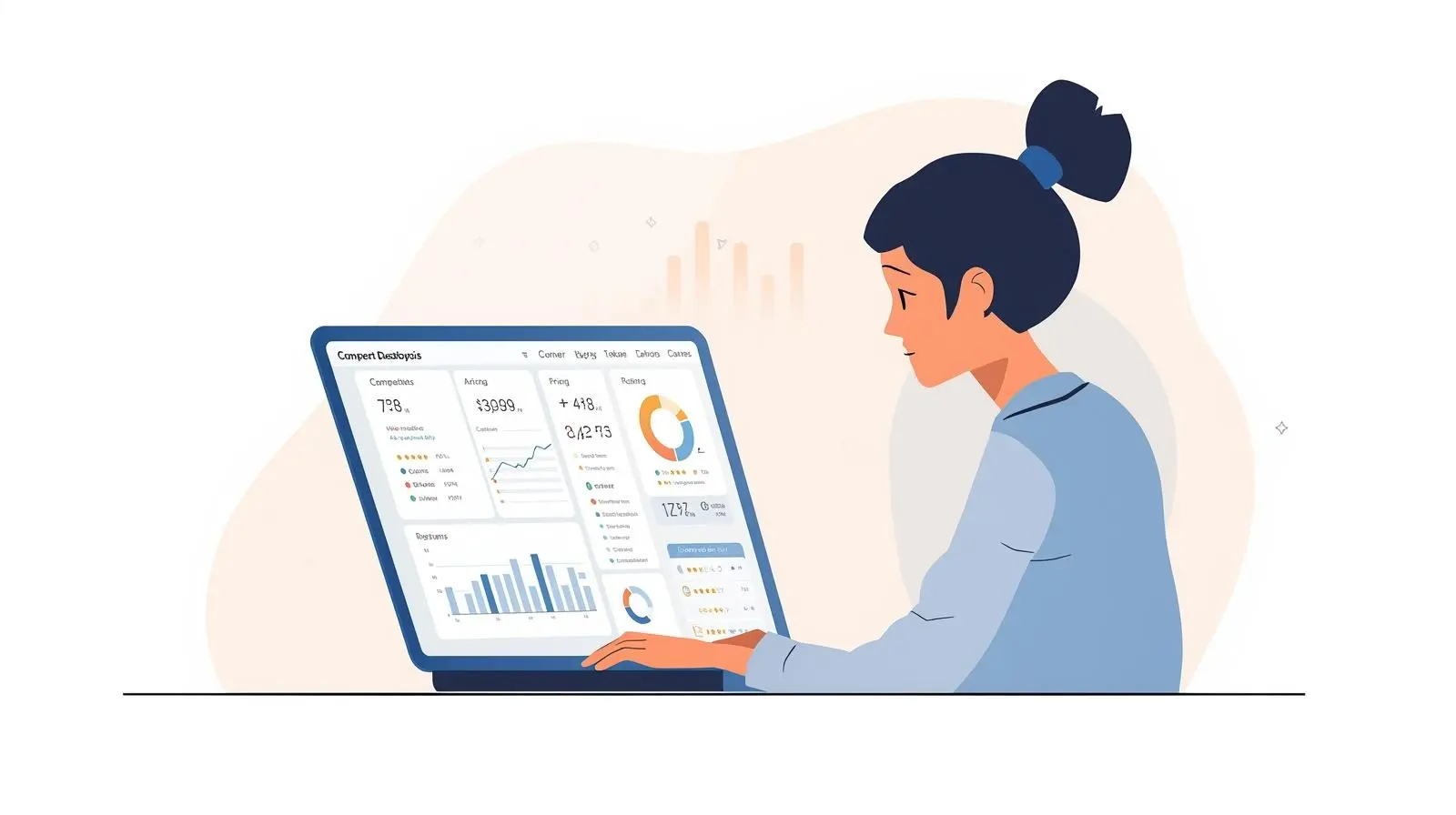
- Read Reviews: Visit popular review platforms such as Trustpilot, G2, or even Reddit. Pay special attention to their 1-star and 2-star reviews. These complaints are absolute gold! They highlight the exact problems that existing solutions aren’t solving, which are your biggest opportunities.
- Study Their Pricing & Model: Understand how they make money. Are they on a monthly subscription? Do they charge per project? How do their prices compare to the value they offer?
- Sign Up for Newsletters: Sign up for their newsletters. This gives you a peek into how they communicate with their customers, what promotions they run, and their overall brand voice.
Modern Tools for Market Research for Startups in 2026
Tech makes research easy and fast today:
- Google Trends: Check if your topic is rising or dying.
- AnswerThePublic: Check what questions people ask Google.
- Reddit & Quora: Check what people really think on Reddit & Quora.
- Exploding Topics: Discover trending topics before they go viral.
Common Market Research Mistakes to Avoid
Too many new entrepreneurs hurry up this process. To keep on top of the game, be careful not to fall into these pitfalls:
- Asking Only Friends and Family: Your mom will always think your idea is the best. That is not research. You need to hear what strangers think, and more importantly, if they will pay for it.
- Paying No Attention to Negative Feedback: If people tell you they won’t buy it, listen to them. It is better to change your idea now rather than losing money later.
- Confirmation Bias: Don’t go looking for information that says you are right. Go looking for information that tells the truth. Sometimes the market isn’t ready yet, and that is fine.
- Giving Up Too Early: Market research is an ongoing process. Trends are changing quickly in 2026. Even after you launch, keep listening to your users.
Validating Your Market Research for Startups Results
Now, look for patterns in your data. If most people complain about the same thing, you have discovered a “Market Gap.”
This is an important step. It shows you are creating something that people actually need. It is not just an “idea” you like in your head.
When you are finished, go back to our guide for Business Startup Basics. There, you can learn how to create a business out of this information.
The Cost of Ignoring Market Research
Skipping research costs money. Startups that fail often fail because there was “No Market Need.” You could spend six months building something that nobody uses.
Research saves you time and money. Research helps you get the right price for your product. It also helps you know where to spend your marketing dollars. When you know your audience, every dollar you spend works harder.
Conclusion: Start Your Success Story
Market research is not a to-do list item. Market research is the secret to a successful startup. By learning about your users and monitoring your competition, you lower your risk. Use the tools we talked about to identify true market gaps.
Don’t try to guess what people want to know what they want for sure. Smart Market Research for Startups will guide you to create a product that people will love and pay for. Now, go ahead and start building your dream!
