Do you have a dream?
Maybe you are sitting at your office desk right now. You are looking at the clock. Tick, tock. You wish you were working on your own project instead of someone else’s.
Maybe you have a brilliant idea that keeps you awake at night. You keep thinking, “This could be big.”
You want to build something that is yours. You want freedom. You want to wake up every morning excited to work.
But then, the fear kicks in.
“Where do I actually start?” “What if I fail and lose my savings?” “I don’t know anything about legal papers or finance!”
If this sounds like you, stop worrying. You are in the right place.
Learning how to start a business is not rocket science. You don’t need a fancy degree from a big university. You don’t need a rich father. You just need a plan.
The problem is, most people try to do everything at once. They try to design a logo, hire staff, and rent an office on day one. That is a mistake. That is like trying to run a marathon before you learn how to walk.
This guide is your roadmap. We have broken down the confusing world of Business Startup Basics into 7 clear, simple steps.
We won’t bore you with complicated theories. We will give you practical advice you can use today to move from “I have an idea” to “I have a business.”
Whether you want to build a tech app, start a freelancing agency, or open a coffee shop, the steps are exactly the same.
Let’s stop dreaming and start building.

Before we talk about the steps, let’s look at the big picture.
Did you know that 20% of small businesses fail in their first year? And 50% fail by their fifth year?
Why do they fail? Is it because they ran out of money? Usually, no.
They fail because they skipped the basics. They tried to build the roof of the house before they laid the foundation. They built a product that nobody wanted.
Here is the proven sequence (The Roadmap) you should follow to be safe:
Let’s explore each step in detail.
Imagine this scenario.
You spend your entire life savings ($50,000) to open a restaurant. You hire the best chefs. You buy expensive Italian furniture. You open the doors with a big smile.
But… nobody comes.
Why? Because you opened a high-end Steakhouse in a neighborhood where everyone is Vegetarian.
This sounds like a silly mistake, right? But thousands of entrepreneurs make this exact mistake every year. They fall in love with their idea. They assume everyone else will love it too.
This is the biggest nightmare for any business owner. More than 40% of startups fail simply because there was no “Market Need.”
How do you stop this from happening to you?
You must focus on business idea validation. This simply means: Test it before you build it.
There is a famous rule in the startup world called the “Mom Test.” If you ask your mom, “Is my business idea good?”, what will she say? She will say, “Yes, honey, it’s amazing! You are so smart!”
Why? Because she loves you. She doesn’t want to hurt your feelings. This is bad data. It gives you false confidence. You need to talk to strangers. You need honest feedback, even if it hurts.
You don’t need a finished product to start. You can run a “Smoke Test.” Here is how:
The Result:

Once you know your idea is good, you need to figure out who you are selling it to.
Many beginners say, “My product is for everyone! Everyone drinks water, so everyone is my customer.”
This is a huge mistake. Even water brands target specific people. (Evian targets rich people; Nestlé targets families).
If you try to sell to everyone, you end up selling to no one.
Market research for startups is about playing detective. You need to identify your “Niche.”
You need to imagine your perfect customer. Let’s create a character. Let’s call him “Busy Bob.”
Once you know Bob, selling becomes easy.
You don’t need to hire expensive agencies. You can do this from your laptop.
When you truly understand your customer’s pain, you are not “pushing” a product. You are offering a solution to their problem.
Business is a competition. Unless you invented something completely new (like the first iPhone), there are already other businesses trying to solve the same problem.
You cannot ignore them. You need to study them.
Competitor analysis for startups is not about copying. It’s about spying (legally) to find their weaknesses.
You have two types of enemies:
To win, you need to do a SWOT analysis on your top 3 competitors. Grab a pen and paper:
Your Goal: Find the gap. Maybe you can’t be cheaper than them, but you can be faster. Maybe you can’t be faster, but you can be friendlier. Find your edge.

In the old days, you had to write a 50-page document before doing anything. It took months.
Today, startups need speed. If you spend 3 months writing a plan, the market might change by the time you finish.
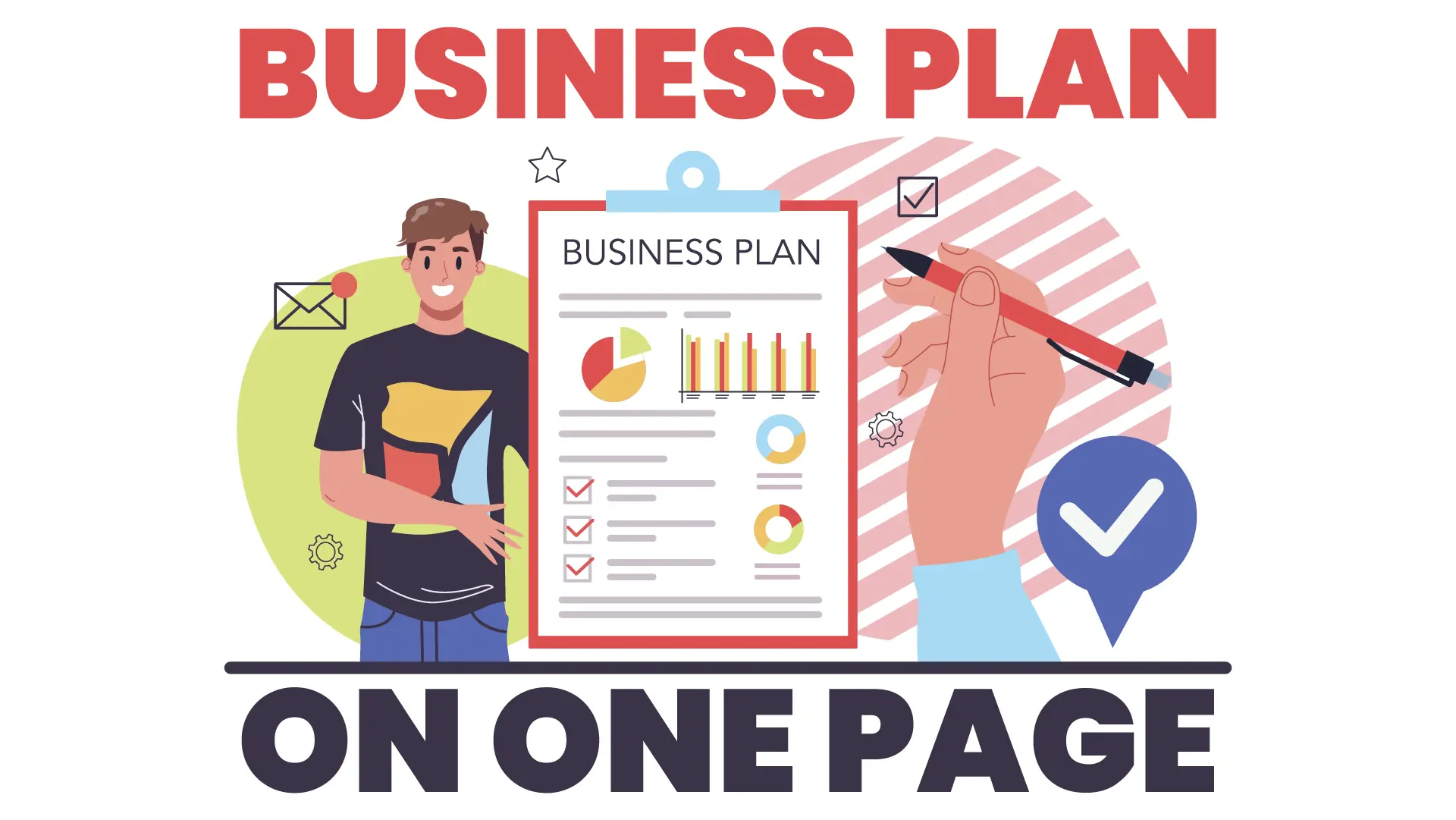
That’s why we recommend starting with a Lean Canvas template.
A Lean Canvas is a single-page document. It forces you to summarize your business strategy on one sheet of paper. It takes about 20 minutes to fill out.
The canvas asks you 9 simple questions:
It is a snapshot of your entire business. The best thing is that it’s easy to change. As you learn more, you can update it instantly.
If the Lean Canvas is for you (to organize your thoughts), the traditional business plan for a startup is for investors and banks.
If you are using your own money, you might not need this yet. But the moment you walk into a bank for a loan, they will say: “Show me your Business Plan.”
A professional business plan is a detailed document (15-20 pages). It proves that you are disciplined and serious.
Writing this takes time, but it is useful. It forces you to think about details you might have missed—like “How will I handle shipping returns?” or “What if my rent doubles?”

This is the part that scares everyone. Nobody likes dealing with government paperwork, lawyers, or tax officials.
But business registration is critical. If you don’t set it up correctly, you could get into trouble. Or worse, you could lose your personal house or car if someone sues you.
You need to decide how to register. Here are the three most common options:
Imagine this: You build a brand for 3 years. You become famous. Then, you get a letter from a lawyer saying, “You are using our name. Stop immediately.” This happens all the time. Always check if your business name is available before you print your business cards!
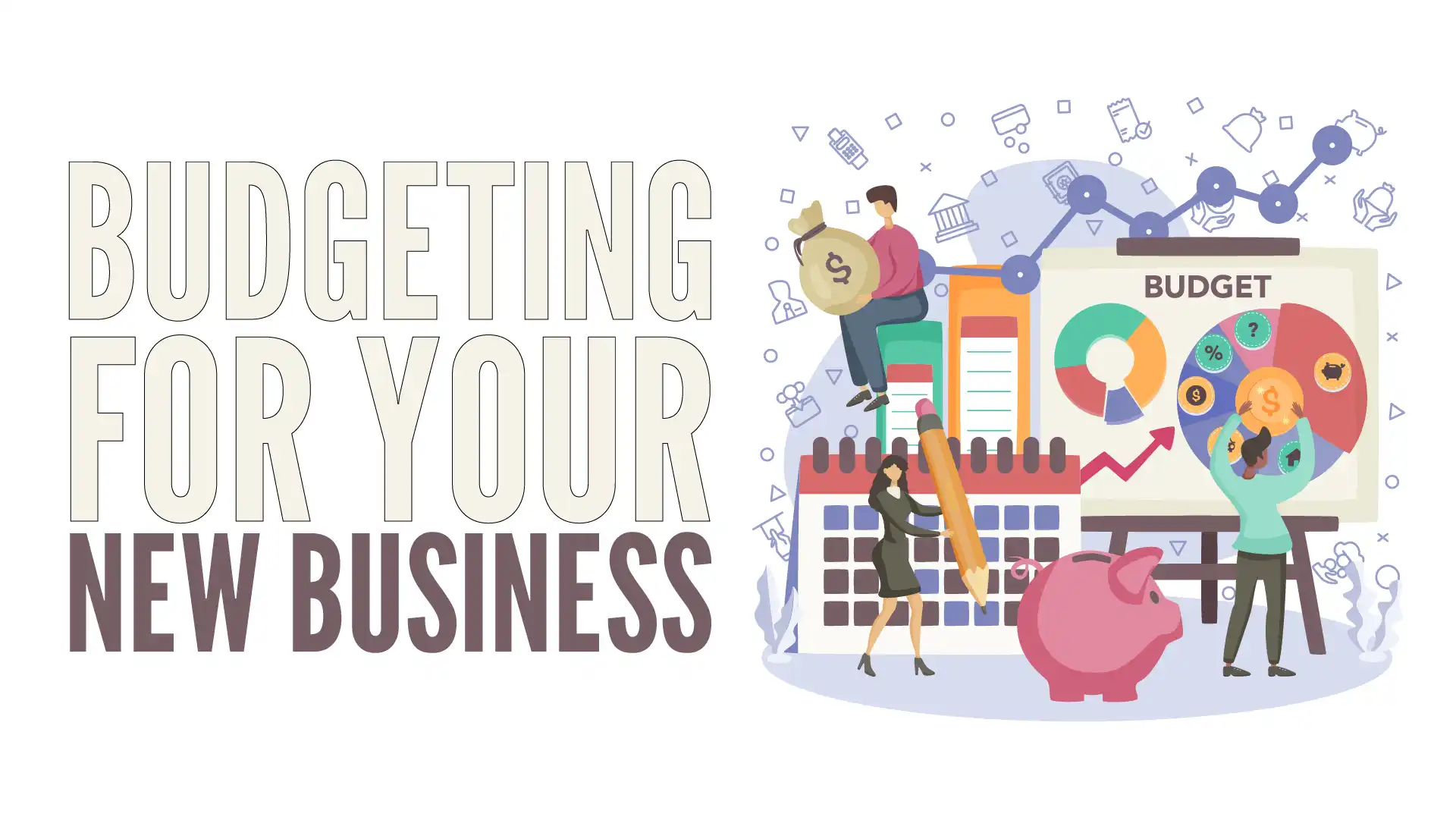
The number two reason startups fail (after no market need) is running out of cash.
Many founders underestimate the real startup costs. They calculate the obvious things like Rent and Inventory. But they forget the “Hidden Costs.”
You need to know the difference:
You need to find your Break-Even Point. This is the magic number. How many items do you need to sell just to cover your costs? Once you pass this number, you are making a profit.
If you don’t know these numbers, you are driving a car with no fuel gauge. You will eventually stop.
We have covered the basics, but one big question remains: Where does the money come from?
Unless you are already rich, you will need capital. Here are your three main options:
You use your own savings and credit cards. You grow slowly using the profit from customers.
You borrow money from people who trust you.
Rich individuals or firms give you money. In exchange, they take a piece of your company (Equity).
If you have read this far, congratulations. You already know more than 90% of people who “dream” of starting a business but never do.
Understanding these Business Startup Basics is crucial. But I have one last warning for you:
Don’t get stuck in “Analysis Paralysis.”
You can read books, listen to podcasts, and read blogs forever. But you cannot learn how to swim by reading a book about swimming. You have to get in the water.
You will make mistakes. That is okay. The economy will never be perfect. That is okay. You will never feel 100% ready. That is okay.
The journey of entrepreneurship is tough. There will be sleepless nights. There will be stress. But building something that is truly yours? That feeling is worth everything.
What are you waiting for? Take the first step today.

Do you have a dream?
Maybe you are sitting at your office desk right now. You are looking at the clock. Tick, tock. You wish you were working on your own project instead of someone else’s.
Maybe you have a brilliant idea that keeps you awake at night. You keep thinking, “This could be big.”
You want to build something that is yours. You want freedom. You want to wake up every morning excited to work.
But then, the fear kicks in.
“Where do I actually start?” “What if I fail and lose my savings?” “I don’t know anything about legal papers or finance!”
If this sounds like you, stop worrying. You are in the right place.
Learning how to start a business is not rocket science. You don’t need a fancy degree from a big university. You don’t need a rich father. You just need a plan.
The problem is, most people try to do everything at once. They try to design a logo, hire staff, and rent an office on day one. That is a mistake. That is like trying to run a marathon before you learn how to walk.
This guide is your roadmap. We have broken down the confusing world of Business Startup Basics into 7 clear, simple steps.
We won’t bore you with complicated theories. We will give you practical advice you can use today to move from “I have an idea” to “I have a business.”
Whether you want to build a tech app, start a freelancing agency, or open a coffee shop, the steps are exactly the same.
Let’s stop dreaming and start building.

Before we talk about the steps, let’s look at the big picture.
Did you know that 20% of small businesses fail in their first year? And 50% fail by their fifth year?
Why do they fail? Is it because they ran out of money? Usually, no.
They fail because they skipped the basics. They tried to build the roof of the house before they laid the foundation. They built a product that nobody wanted.
Here is the proven sequence (The Roadmap) you should follow to be safe:
Let’s explore each step in detail.
Imagine this scenario.
You spend your entire life savings ($50,000) to open a restaurant. You hire the best chefs. You buy expensive Italian furniture. You open the doors with a big smile.
But… nobody comes.
Why? Because you opened a high-end Steakhouse in a neighborhood where everyone is Vegetarian.
This sounds like a silly mistake, right? But thousands of entrepreneurs make this exact mistake every year. They fall in love with their idea. They assume everyone else will love it too.
This is the biggest nightmare for any business owner. More than 40% of startups fail simply because there was no “Market Need.”
How do you stop this from happening to you?
You must focus on business idea validation. This simply means: Test it before you build it.
There is a famous rule in the startup world called the “Mom Test.” If you ask your mom, “Is my business idea good?”, what will she say? She will say, “Yes, honey, it’s amazing! You are so smart!”
Why? Because she loves you. She doesn’t want to hurt your feelings. This is bad data. It gives you false confidence. You need to talk to strangers. You need honest feedback, even if it hurts.
You don’t need a finished product to start. You can run a “Smoke Test.” Here is how:
The Result:

Once you know your idea is good, you need to figure out who you are selling it to.
Many beginners say, “My product is for everyone! Everyone drinks water, so everyone is my customer.”
This is a huge mistake. Even water brands target specific people. (Evian targets rich people; Nestlé targets families).
If you try to sell to everyone, you end up selling to no one.
Market research for startups is about playing detective. You need to identify your “Niche.”
You need to imagine your perfect customer. Let’s create a character. Let’s call him “Busy Bob.”
Once you know Bob, selling becomes easy.
You don’t need to hire expensive agencies. You can do this from your laptop.
When you truly understand your customer’s pain, you are not “pushing” a product. You are offering a solution to their problem.
Business is a competition. Unless you invented something completely new (like the first iPhone), there are already other businesses trying to solve the same problem.
You cannot ignore them. You need to study them.
Competitor analysis for startups is not about copying. It’s about spying (legally) to find their weaknesses.
You have two types of enemies:
To win, you need to do a SWOT analysis on your top 3 competitors. Grab a pen and paper:
Your Goal: Find the gap. Maybe you can’t be cheaper than them, but you can be faster. Maybe you can’t be faster, but you can be friendlier. Find your edge.

In the old days, you had to write a 50-page document before doing anything. It took months.
Today, startups need speed. If you spend 3 months writing a plan, the market might change by the time you finish.
That’s why we recommend starting with a Lean Canvas template.
A Lean Canvas is a single-page document. It forces you to summarize your business strategy on one sheet of paper. It takes about 20 minutes to fill out.
The canvas asks you 9 simple questions:
It is a snapshot of your entire business. The best thing is that it’s easy to change. As you learn more, you can update it instantly.
If the Lean Canvas is for you (to organize your thoughts), the traditional business plan for a startup is for investors and banks.
If you are using your own money, you might not need this yet. But the moment you walk into a bank for a loan, they will say: “Show me your Business Plan.”
A professional business plan is a detailed document (15-20 pages). It proves that you are disciplined and serious.
Writing this takes time, but it is useful. It forces you to think about details you might have missed—like “How will I handle shipping returns?” or “What if my rent doubles?”

This is the part that scares everyone. Nobody likes dealing with government paperwork, lawyers, or tax officials.
But business registration is critical. If you don’t set it up correctly, you could get into trouble. Or worse, you could lose your personal house or car if someone sues you.
You need to decide how to register. Here are the three most common options:
Imagine this: You build a brand for 3 years. You become famous. Then, you get a letter from a lawyer saying, “You are using our name. Stop immediately.” This happens all the time. Always check if your business name is available before you print your business cards!
The number two reason startups fail (after no market need) is running out of cash.
Many founders underestimate the real startup costs. They calculate the obvious things like Rent and Inventory. But they forget the “Hidden Costs.”
You need to know the difference:
You need to find your Break-Even Point. This is the magic number. How many items do you need to sell just to cover your costs? Once you pass this number, you are making a profit.
If you don’t know these numbers, you are driving a car with no fuel gauge. You will eventually stop.
We have covered the basics, but one big question remains: Where does the money come from?
Unless you are already rich, you will need capital. Here are your three main options:
You use your own savings and credit cards. You grow slowly using the profit from customers.
You borrow money from people who trust you.
Rich individuals or firms give you money. In exchange, they take a piece of your company (Equity).
If you have read this far, congratulations. You already know more than 90% of people who “dream” of starting a business but never do.
Understanding these Business Startup Basics is crucial. But I have one last warning for you:
Don’t get stuck in “Analysis Paralysis.”
You can read books, listen to podcasts, and read blogs forever. But you cannot learn how to swim by reading a book about swimming. You have to get in the water.
You will make mistakes. That is okay. The economy will never be perfect. That is okay. You will never feel 100% ready. That is okay.
The journey of entrepreneurship is tough. There will be sleepless nights. There will be stress. But building something that is truly yours? That feeling is worth everything.
What are you waiting for? Take the first step today.

It is a long established fact that a reader will be distracted by the readable content of a page when looking at its layout. The point of using Lorem Ipsum is that it has a more-or-less normal distribution of letters, as opposed to using ‘Content here, content here’, making it look like readable English. Many desktop publishing packages and web page editors now use Lorem Ipsum as their default model text, and a search for ‘lorem ipsum’ will uncover many web sites still in their infancy.
The point of using Lorem Ipsum is that it has a more-or-less normal distribution of letters, as opposed to using ‘Content here, content here’, making
The point of using Lorem Ipsum is that it has a more-or-less normal distribution of letters, as opposed to using ‘Content here, content here’, making it look like readable English. Many desktop publishing packages and web page editors now use Lorem Ipsum as their default model text, and a search for ‘lorem ipsum’ will uncover many web sites still in their infancy.
It is a long established fact that a reader will be distracted by the readable content of a page when looking at its layout. The point of using Lorem Ipsum is that it has a more-or-less normal distribution
Copyright BlazeThemes. 2023