

Establishing a business has never been easier than it is now in a world dominated by technology. However, differentiating yourself from all the competition is a challenge that many entrepreneurs face every day. Many entrepreneurs launch websites or mobile applications offering online services every day. All of these businesses have very similar elements: the same types of product listings, promotions, and often the same colors. For this reason, when a customer sees no appreciable difference between two competing businesses, they tend to select the brand that they feel provides them with the most clarity, trust and humanness.
Branding and positioning together create a strong brand for your startup, which will help you establish an identity for your business, develop a cohesive brand message and build trust with potential customers prior to having contact with your products. In the longer run, branding and positioning can produce repeat customers, referrals, and increased profit.
So, branding and positioning are critical to your success as an entrepreneur!

Why Branding Matters More Than You Think
Many individuals think that branding solely involves design, but this isn’t true — it also has a direct impact on your business’ bottom line.
Here are some ways strong branding can improve your startup:
- Generate more click-throughs on search engines
- Establish trust & credibility very quickly
- Improve your conversion rate
- Create loyal customers
When people are looking for something online, they do not analyze the listing in detail; they simply scan through the listings for what appears to be trustworthy and professional.
Take for example, the following two choices:
- Online Services on the Cheap
- ClearPath – Easy Solutions for a Growth-Oriented Business
Most individuals would likely choose the second listing without any more details other than the brand name and its associated message (they are looked upon as more dependable).
Good branding also improves customer loyalty. When people trust your brand, they are more likely to return, recommend you to others, and forgive small mistakes. Over time, this trust becomes one of your biggest business assets.
Choosing a Startup Name That Sticks
Startup names are frequently the first impression you make. A reputable name will raise an interest in your business as well as instill some trust for your potential customers or clients.
An unfavorable name would cause someone to have a sense of perplexity or confusion.
Three traits that make a strong name for your startup are as follows:
1. Simple
2. Easily pronounceable
3. Memorable
A name like ‘Apple,’ ‘Uber,’ or ‘Slack’ is successful because they are very easy to say and are recognizable on a human basis.

The Radio Test
Speak your brand aloud once. If someone hears it, will they successfully be able to spell it on their first try? If not, the name is likely too complex.
Avoid Keyword-Heavy Names
A name like:
BestCheapOnlineMarketingService
may be great for search engine optimization; however, it appears spammy to an individual. People are less likely to trust a name that resembles an advertisement.
Rather than selecting a name based on specific keywords, pick names that evoke emotion or imagery, like:
- Brightly
- Launchpad
- Clearway
The ideal name for a brand evokes a sense of ease and confidence rather than effort. Think through how the name sounds in conversation, what it looks like on your website, and whether or not it could evolve as your company grows.
Your Unique Value Proposition (UVP)
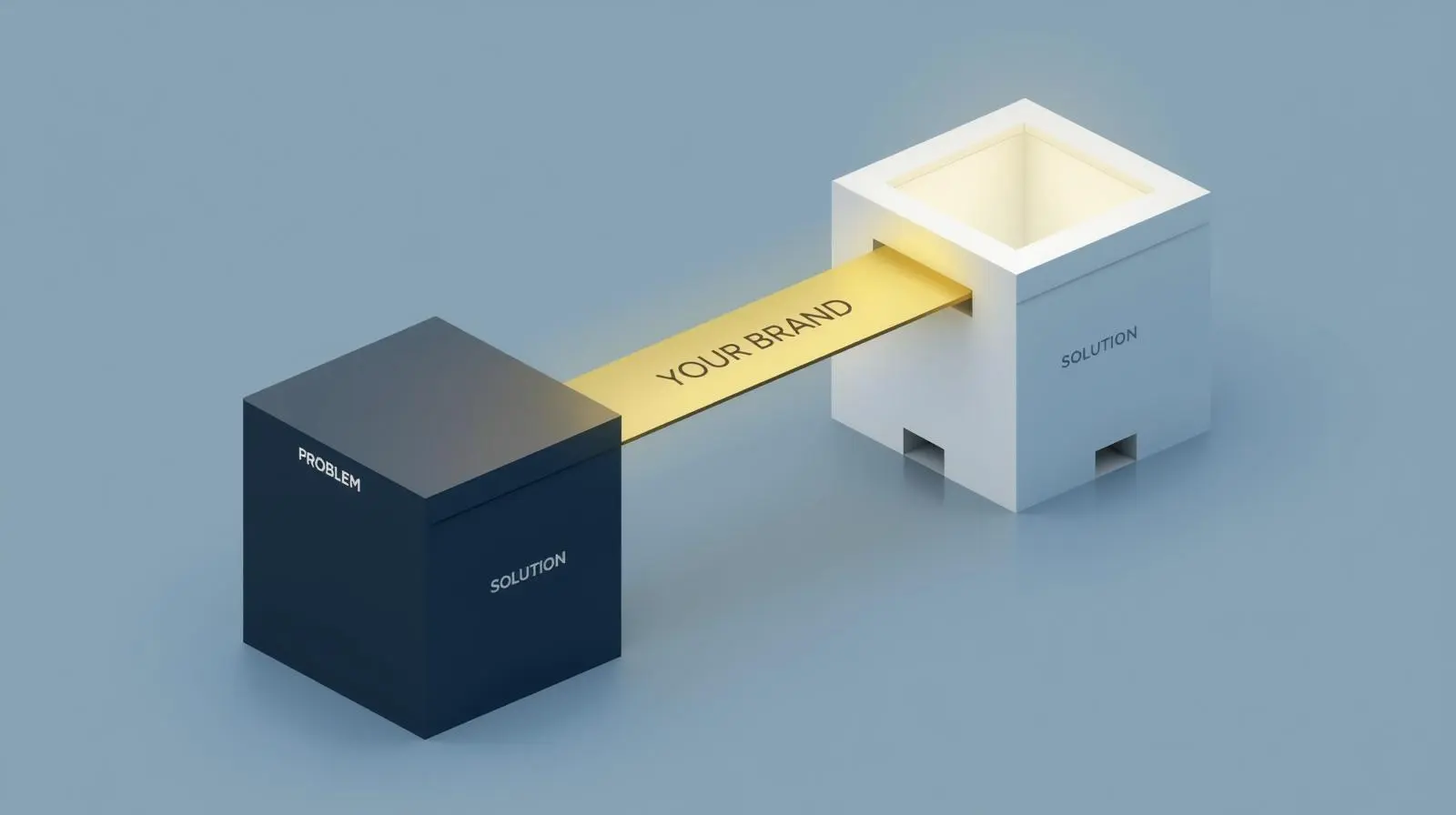
Your Unique Value Proposition tells people why they should work with you over others. Many startups experience poor results because the messaging is unclear, and potential customers may not have any idea of the difference between you and the others out there. If your potential customers cannot determine what makes you unique, they will move on to other options.
Weak Example of Unique Value Proposition
High-quality service.
Strong Example of Unique Value Proposition
Simple and effective Design Services for high-performance driven Startups.
A clearly defined UVP is distinct from other firms, is easily understood, as well has the information that shows how your business will benefit a customer.
How to Write a Clear Unique Value Proposition
- Identify a primary business issue your customer may be facing
- Describe the solution that you offer to the customer
- Provide the customer with a benefit and/or how the solution will create an advantage over using a competitor.
Once your Unique Value Proposition is prepared and ready to use, you should have it identifyable within the next five seconds of a person landing on your website. If your potential customers have to look for it, then they have already left your website.
Creating a Buyer Persona
If you try to talk to every single person then you will be talking to NO body at all. A Buyer persona allows for you to visualize your ultimate customer as an actual human being increasing the personalization and focus of your branding.
Example Buyer Persona
Name: Alex Age Range: 25 – 35 Years Old
Goals: Save time, Increase revenue
Fears: Spending $ on items or services that don’t perform.
When you develop content, create your website, or produce marketing content, consider how you would speak if you were talking directly to Alex this creates a more personal picture of your brand vs. an impersonal one.
The Strength of a Brand Story
Consumers will remember a story longer then the facts. Strong brand stories share the reason your start-up exists and the reasons your start-up solves the problem and shares your company’s human characteristics.
Professional Position: Small Business Owner or Startup Founder.

A Successful Brand Story
We created our business due to a common need for a simple solution. That was one of our motivations to create this business is to fill that niche. A great brand story creates an emotional bond with the customer, allows them to have an affiliation with the brand and instills confidence and trust.

Visual Identity Made Simple
A brand’s visual identity includes the impression people get of a brand’s look when they experience the brand without reading as much as a single word;
it includes:
Color
Visual representation of a specific color that elicits specific feelings from people. For instance:
- Blue = Trustworthiness, Security
- Green = Growth and Balance
- Black = Simplicity and Confidence
It is advisable to pick one primary brand color and one secondary brand color for consistency over websites and social media.
Font
Using clean simple fonts that can be quickly read is important. Good examples of fonts are:
- Inter
- Open Sans
- Montserrat
Avoid using decorative fonts that may be hard to read while being viewed from a mobile device.
Logo
When using a logo; it should be clearly legible even at tiny sizes like what you see on your web browser tab or on an account profile on a social media platform.
Positioning Your Startup
In one clear sentence we position our brand through how people describe us.
Examples of Brand Positioning:
- Practical and Affordable
- Quality and Premium
- Friendly and Beginner Focused
- Effective and Fast Results
To determine your brand position, look at your competition and ask what are they doing in the same manner; what are you doing that is different than them and how can you differentiate yourself.
Branding & SEO: How they work together
Branding and Search Engine Optimization (SEO) are closely related. A strong branded company will enhance its SEO through:
Increased time people spend on your website due to their trust for your brand
The more you build your brand’s trust, the more likely people are to return to your website.
Search engines credit these behaviors with higher SERP(NOT THE EEG), placing your business higher in local or national searches.
Branding Errors Made by Start-Ups
Most start-ups make mistakes with branding that are easily avoidable, however, some common mistakes are as follows:
- Copying the branded leaders rather than being unique
- Failing to communicate what products/services your company provides
- Using multiple voices across various platforms
By always using consistency and clarity when building a brand will ensure that the brand becomes a better fit for itself and for the consumer.
Additional Branding Insights
The Personality of Brands Defined
An effective brand will have a personality that resonates with its customers, which will be seen through the tone and body of voice, imagery, and messaging your company uses in its communications. Some examples of brand personalities include:
- Friendly/approachable
- Professional/expert
- Fun/energetic
Growing Your Brand Presence
After establishing a consistent brand identity, focus on establishing your presence on social networks, partnerships, and email marketing. Each use of the brand across all channels/mediums should have the same personality or message.
Analyze Results
There are several different ways to analyze the impact that your brand has had. Here are four common metrics:
- The number of direct visitors to your site
- The quantity of searches performed for you, or about you
- Your level of engagement on social media channels
- The number of customers who returned to purchase from you a second time
This allows you to continually refine your positioning over time.

Final Thoughts
Branding and positioning are not one-time tasks. They evolve as your startup grows. Focus on clarity, honesty, and consistency, and your brand will become stronger over time. Strong brands are built slowly, but they create long-term value.
Final Checklist
- Is your brand name easy to remember?
- Is your value clear within five seconds?
- Does your brand feel human and trustworthy?
- Is your message consistent everywhere?
Start simple. Stay consistent. Build trust first.