

Every brand has a compelling tale at its center. Storytelling is a powerful tool that enables brands to build stronger relationships with customers than tallying numbers, listing statistics, or describing products, which consumers are able to relate to so much easier than dryalyices. When consumers identify with or believe in a company’s brand, they will become more loyal to it and help spread the word about it.
This article will provide you with an understanding of brand storytelling and how critical it is for a startup to develop one that will resonate with consumers.
Just like your story, your brand name also plays a key role in shaping first impressions. Learn how to choose the right name with these business name ideas for your startup.

What is a Brand Story?
A brand story is the most effective way to convey the reason for starting your business and what issue it intends to correct.
A brand story doesn’t need to include every detail about the history of the company but it should cover the following points:
- What your purpose is or what you hope to accomplish?
- What are the beliefs you hold that define you as an individual?
- Why did you feel that there was a need for a product like yours?
- Who are the members of your community whom you believe would benefit from your offering?
An effective brand story will result in customers developing a more personable and familiar connection to it.
For instance, instead of writing:
“Our company offers marketing services.”
A brand story would say:
“We started this business because we noticed small businesses were having trouble using complicated, expensive ways of doing marketing. Because we wanted to make marketing easy so entrepreneurs could grow without being stressed.”
This explains why the business exists.

The Importance of Brand Storytelling
Brand storytelling helps to create trust and connection between customers and businesses.
Here are just a few reasons why brand storytelling can be so effective.
A compelling story works even better when combined with a clear unique value proposition that explains why customers should choose your brand.
1. Creates emotional engagement.
People typically remember stories better than statistics.
When customers know the story behind your brand, they can become emotionally attached to your goal. This emotional attachment adds greater value to the brand.
For example; many startups will start from a very simple brand story whereby the founder had an experience/problem and developed a solution to fix the problem. Having a simple, grounded story provides tremendous value for a business.
2. Makes Your Brand Memorable
Every day, hundreds of brands confront customers. Oftentimes without an engaging story, companies will seem to have similar products. Strong branding allows customers to recall:
- Who you are and why you exist
- What makes your offering unique
- Your target audience
Branding will differentiate you from others in many markets.
3. Creating Trust
Purchasing decisions are often based on trust.
When your company shows the human side of your business, you give potential customers a reason to feel confident in their choice to do business with you.
When you share things about yourself, including motivation, challenges, and goals, you make your company appear more honest and transparent.
4. Branding and Brand Identity
A great brand story will develop a company’s overall identity.
You will use your story to develop:
- Your voice
- Your messaging
- Your marketing content
If you have a clear understanding of your story, your communication will remain consistent online as well as in print.
Brand storytelling is a key part of your overall strategy. To understand how it fits into the bigger picture, read our complete guide on branding and positioning for startups.

Elements That Make Up A Great Brand Story
A good brand story has a few key components.
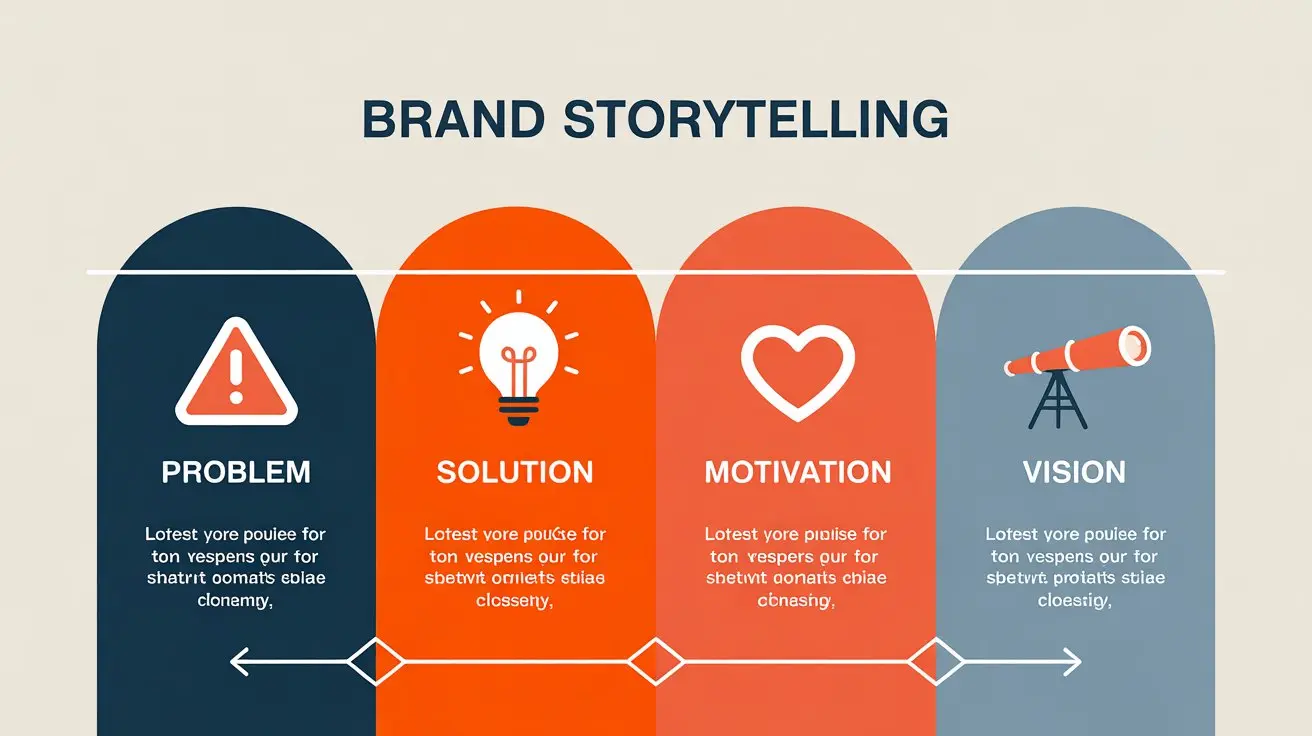
A Problem
The best part of every story is the problem.
Define a challenge that led you to create your business.
For example:
- How many small businesses you encounter that struggle with too expensive of tools
- The amount of entrepreneurs with simple marketing solutions
- The level of frustration at people not being able to obtain products or services quickly
The problem illustrates to your customers why your business is in existence.
A Motivation
Then, describe what motivated you to launch your company.
Examples include:
- Personal experiences
- Annoyance at the industry
- Wanting to make improvements to a particular area
This creates humanity within your brand.
Solution
When sharing the answer to the problem, follow up with your answer.
Explain how doing business with you solves the problem.
Examples are:
- A marketing platform that simplifies the process
- Super affordable design services for new companies
- Time saving tools for entrepreneurs
Your Vision
To end, give your overall future intentions.
Letting customers understand where you want to go in the next few years.
Examples include:
- To help small businesses expand into the digital world
- To use technology easily
- To assist entrepreneurs globally
A vision gives your brand purpose and direction.
Simple Brand Story Example
Here is an example of a basic brand story.
“We started our business because we’ve seen first-hand how challenging it has become for small companies to afford and effectively obtain digital marketing nowadays. The constant barrage of marketing technology options out there provide entrepreneurs with no straightforward method to actually implement successful digital marketing initiatives.
Thus, we set out to develop and create solutions that are simple, affordable, and make sense to all business owners. We want to enable small companies to expand their presence on the internet without feeling stressed out trying to comprehend how complicated digital marketing technologies have become.”
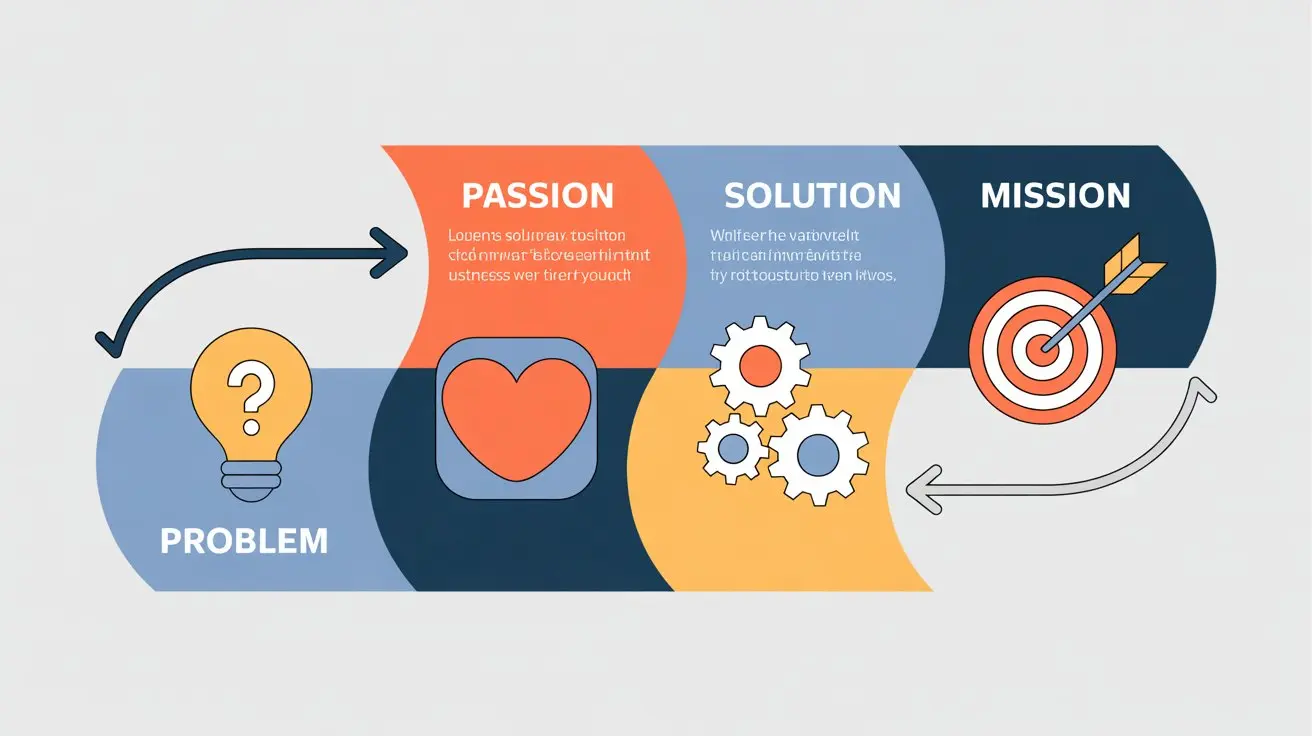
This example gives you:
- What is the Problem
- Reason You Care
- How You Will Solve It
- Your Mission
Writing Your Brand Story
Creating an effective brand story doesn’t require you to be an excellent writer. Simply follow these four easy steps.
Step 1: Identify the Problem
First, you want to consider what the issue was that led to your idea for your business.
A good place to start is by answering these questions below:
- What issue did you notice?
- Why did you see this issue as a significant issue?
Step 2: Explain Why You Care
Once you define the problem, you want to further clarify why you are interested in fixing it.
Your interest in fixing the issue adds authenticity and validates the story.
Step 3: Describe Your Solution
When you tell your audience how your business can help solve the problem, make sure to focus on the benefits of your services versus the various solutions available.
Step 4: State Your Mission
The end of your brand story should explain your plan for the future.
Your mission for now and into the future will demonstrate to your customers that your brand has a vision.
To make your brand story more effective, you should clearly understand your audience using a buyer persona template.
Where to Use Your Brand Story
After developing a brand narrative, there are several places where it can be used.
About Page
The most obvious place to present a brand story is on the website’s About page so people can get an understanding of the individuals behind the organization and what the overall goal is for the business.
Homepage
A shorter version of the brand story could also be utilized on the homepage in order for potential new customers to quickly learn what the business stands for.
Social Media
Another avenue to convey elements of the brand story is through social media channels. Storytelling content resonates with audiences since it often feels like a more personal and genuine experience to them.
Marketing Campaigns
Brand stories are also particularly effective within marketing campaigns, emails, and presentations because they facilitate stronger connections with customers.
Common Brand Story Mistakes
When writing a brand story, many companies make some common mistakes.
Only Focused on Company
The brand story should be focused more on the customers and what issues they have rather than just on the company itself. Customers also need to feel part of the story.
Complicated
A brand story should be straightforward, concise, and uncomplicated; therefore, write in a way that is simple to understand and does not include an abundance of complicated language or overly lengthy explanations.
Too Promotional
A brand narrative should be believable and realistic. Try not to make it sound as though you are selling something.
Focus on your purpose and values instead.
Brand Story and Branding Strategy
Brand stories are critical to your overall branding plan.
They define what people think about your brand and how you connect with your customers.
A great story backs up different elements of your branding:
- Brand voice
- Visual identity
- Messaging
If you want to understand where storytelling fits into your full branding plan, download our branding and positioning guide for startups.

Conclusion
An excellent brand story makes your business more human and meaningful. You are telling customers why your brand matters.
The best brand stories provide a simple, honest way of helping people. When you tell a story that resonates with customers, they are more likely to trust you and continue buying from you.
Identify the issue you want to address, explain why this is important to you, and provide your mission statement. Over time, your story will become as significant to your brand as any other piece of your brand.
