
Landing pages can be a powerful way for startups to convert visitors into paying customers. For those that are operating with limited budgets, a well-designed and optimized landing page can help to achieve growth without the need for heavy advertising expenditure.
Here’s the reality:
The majority of startup landing pages will not convert well due to poor strategic design, not poor visual design.
A high-converting landing page is much more effective when it supports your pricing strategy, as well as your balance of sales and operations.
In this guide, you will learn how to create a great-looking landing page that actually converts.
What is a Landing Page for Startups?
A startup’s landing page has a single purpose – to get the visitor to take one desired action (E.g., sign up for the email list, purchase product A or B, schedule a demonstration).
In contrast to a business’s homepage, it
- Is created to accomplish a specific goal.
- Is devoid of any distractions (like banners or other types of advertisements).
- Is focused entirely on achieving a conversion.
A landing page is not merely a standalone page; rather, it is an essential component of the overall growth strategy for your startup.
Why Startups Need a Landing Page
Startups require prompt results, and the quickest way to generate them is through a Landing Page. A Landing Page will allow you to:
- Capture Leads Quickly
- Test Business Ideas
- Cut Marketing Expenses
- Optimize Your Conversion Rate
When Creating an Effective Pricing Strategy in conjunction with working on Your Landing Page, you’ll find that your land page becomes an even more powerful prospecting tool.
Core Elements of a High-Converting Landing Page
1. Clear Value Proposition
Your Headline Should Instantly Answer The Following Questions:
What issues will we help you solve?
Users Are Going To Determine Whether or Not They Want To Continue After Just A Few Seconds.
2. Strong Call-to-Action (CTA)
There Should Only Be One CTA For Each Landing Page:
- Create An Account
- Buy Now
- Start Today
If There Are Too Many Call-To-Actions, There Will Be Less Conversions Than Expected.
3. Social Proof
Include:
- Testimonial
- Reviews
- Success Story
When It Comes To Start-Ups, Trust is Important.
4. Benefits Over Features
Results Matter To People More than Features Do.
For example:
- An Advanced Dashboard
- You Will Save 10 Hours A Week
5. Speed & Performance
Speed Will Create Higher Conversion Rates
Slower load times = Less Users
Best Landing Page Structure
Proven Structure for Startup Landing Pages:
- Hero Section (Headline + CTA)
- Problem
- Solution
- Benefits
- Social Proof
- Pricing Section
- FAQ
- Final CTA
Make sure that your pricing section corresponds to your pricing strategy for startups.
SEO for Landing Page for Startups
Many startups neglect SEO – but it will serve you well in the long run.
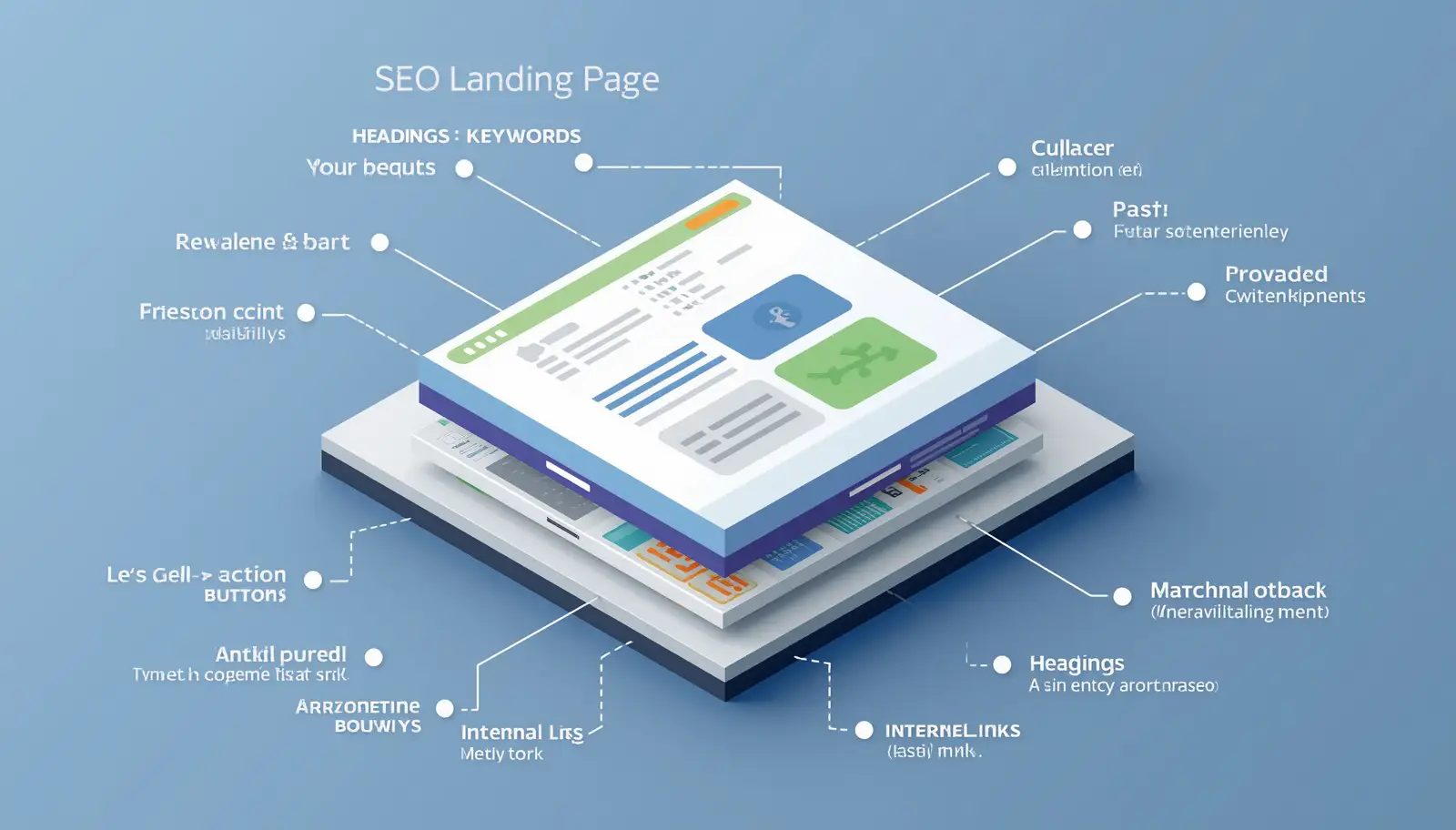
SEO Best Practices
1. Use Intent-Based Keywords
Include:
- landing page for startups
- startup landing page design
2. Optimize Headings
Properly use H1, H2, and H3.
3. Add Valuable Content
Your page should not be too “thin”—it needs to add value.
Landing Page Optimization Techniques
1. A/B Testing
Test:
- Headlines
- Call-to-action buttons
- Design
2. Reduce Friction
Eliminate:
- Forms
- Steps
- Distracting elements
3. Mobile Optimization
More than half of all visitors are on mobile devices:
- Large buttons
- Simple layout
- Quick load times
4. Visual Hierarchy
Use visual cues like:
- Colors
- Space
- Typography
Common Mistakes to Avoid
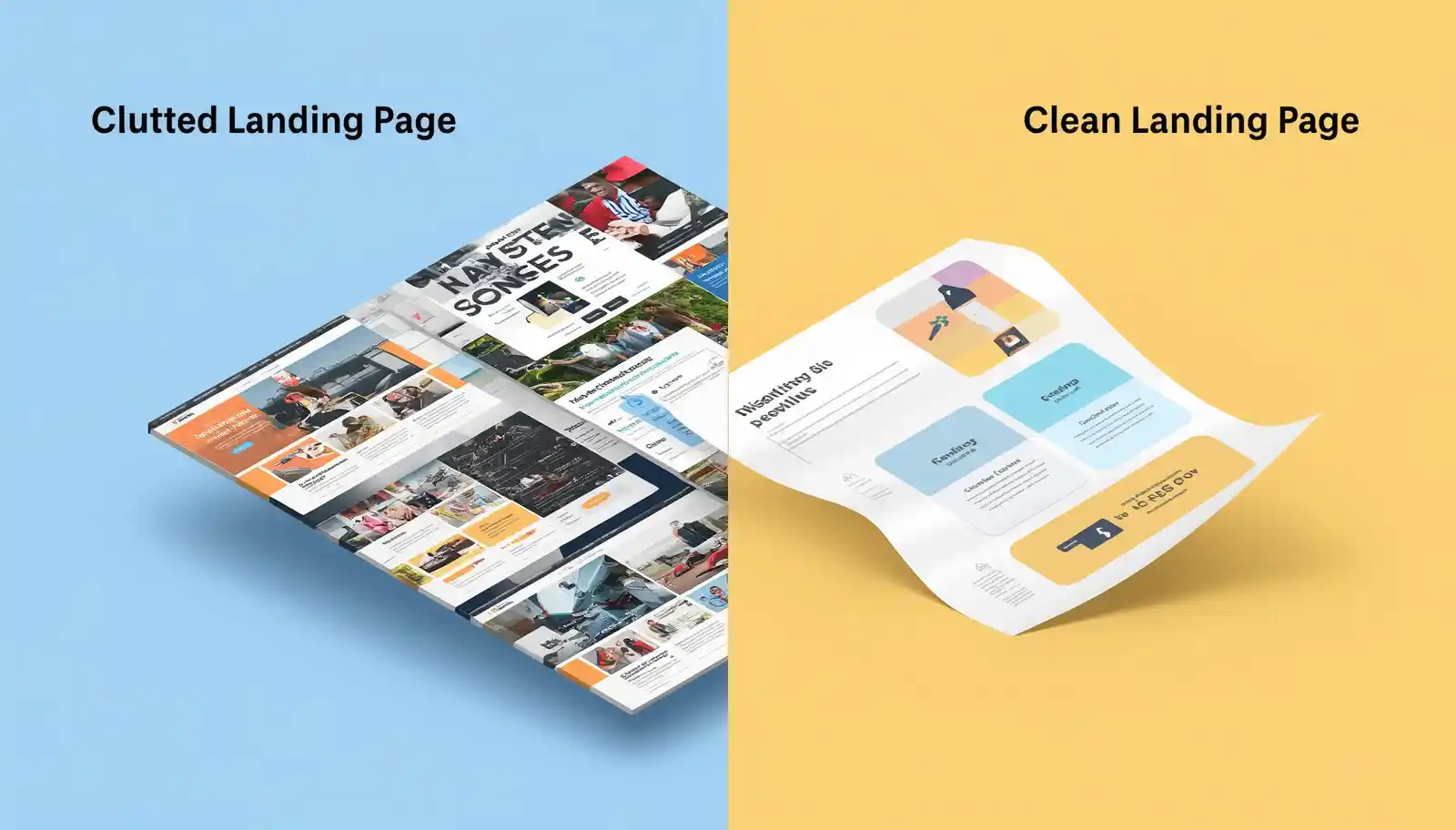
Too Much Information
It’s always better to keep things simple.
Weak Messaging
When users can’t understand your message, they’ll move on.
No SEO
This will force you to rely solely on advertisements.
No Internal Linking
Your webpages won’t be ranked correctly.
Advanced Strategies for Startups
1. Personalization
Display content according to:
- Behavior
- Geography
- Referrer site
2. Dynamic Content
Change:
- Propositions
- Prices
- Communication
3. Align with Pricing Strategy
Your landing page needs to be consistent with your pricing strategy.
Otherwise, you’re losing conversions.
How This Fits Into Your SEO Cluster
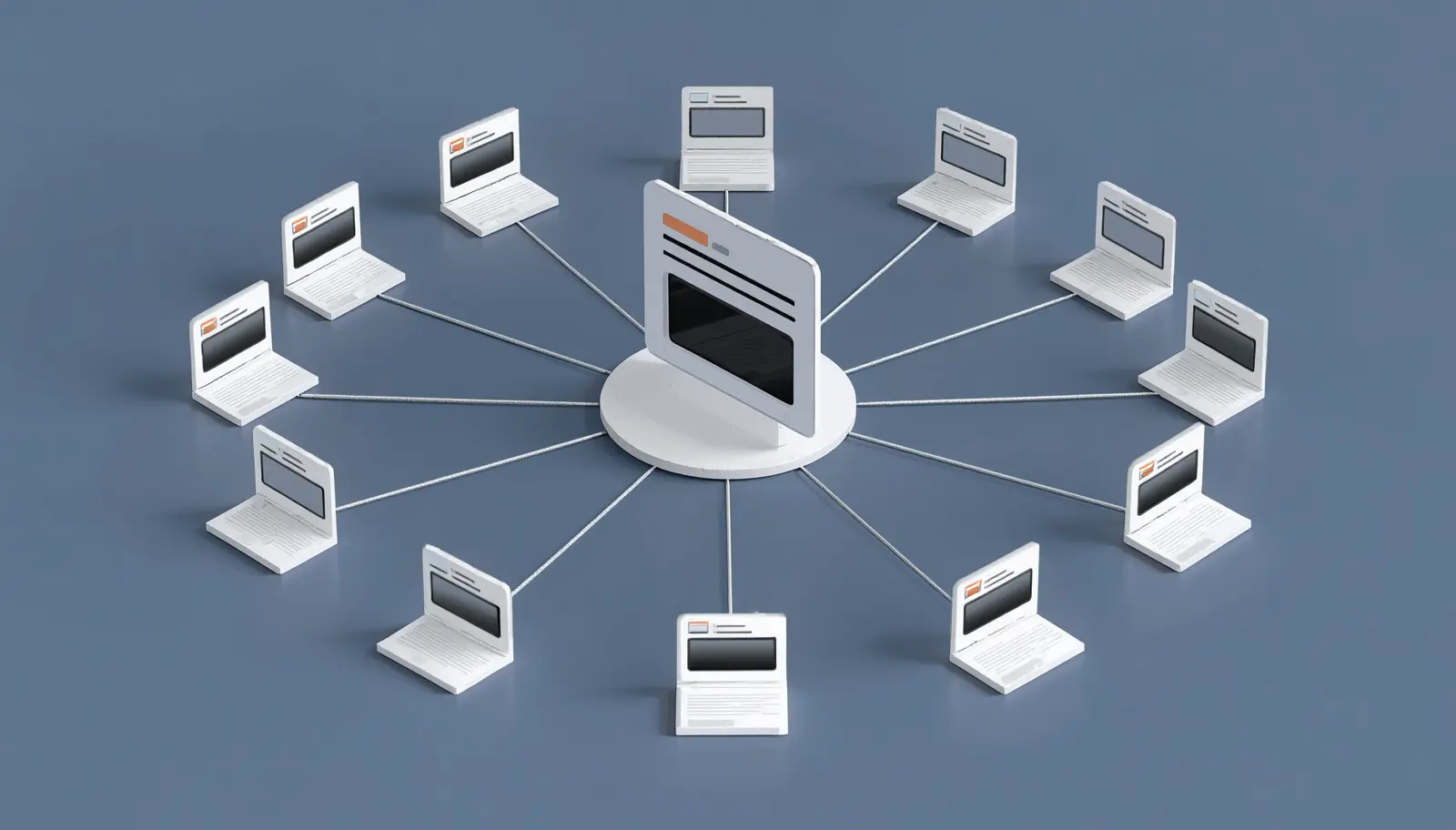
Your landing page for startups belongs to the wider structure.
Structure of the Cluster:
- Pricing Strategy Blog
- Landing Page Blog (current blog)
- Pillar Page
Internal Linking Flow:
- From this blog → Pricing blog
- From this blog → Pillar page
- From pricing blog → This blog
It’s a very powerful SEO strategy.
Future of Landing Pages
Look at these trends:
- Artificial intelligence for customization
- Interactive landing pages
- Automatic landing pages
- Low/no-code landing page builders
Startups implementing these strategies early will have an advantage.
Conclusion
A good landing page for startups doesn’t rely on fancy visuals.
In order to succeed:
- Identify only one proposition
- Use great messaging
- Implement SEO strategies
- Be consistent with your pricing strategy for startups.
- Be consistent with your balance sales and operations strategy.
All these factors combined make your startup landing page work wonders.