
When it comes to businesses, pricing strategy is probably one of the most crucial decisions you will make. The pricing strategy has a major influence on your company’s revenue, as well as how customers perceive your business and how well you are positioned in the wider marketplace. Therefore selecting a proper pricing strategy can be the difference between your company being successful or failing once you are ready to launch your new business or scale an already existing brand.
In the current competitive marketplace, it is no longer a good enough reason for your company to simply cover expenses. A proper pricing strategy takes into account how the psychology of customers will affect their purchasing decisions, how competitors’ pricing affects your pricing, and the relationship between perceived value and price. This article will provide you with an overview of pricing strategy; from pricing strategy types to pricing strategy implementation tips.
What is a Pricing Strategy?
A pricing strategy is the means by which a company determines the best price for its goods/services. A pricing strategy typically will consist of an analysis of different market conditions, levels of customer demand, competitor pricing, and the cost of producing the good/service(s).
A well-defined pricing strategy allows your company to:
- Increase profit margins
- Attract the types of customers you want
- Be competitive
- Create a positive brand image
Why Pricing Strategy is Important
Selecting an effective pricing strategy is critical to successfully positioning your business within the market. Businesses that do not use a pricing strategy often have poor sales performance or low profit margins.
Types of Pricing Strategies
There are many different types of pricing strategies and each has advantages and disadvantages depending on the unique requirements of your company.
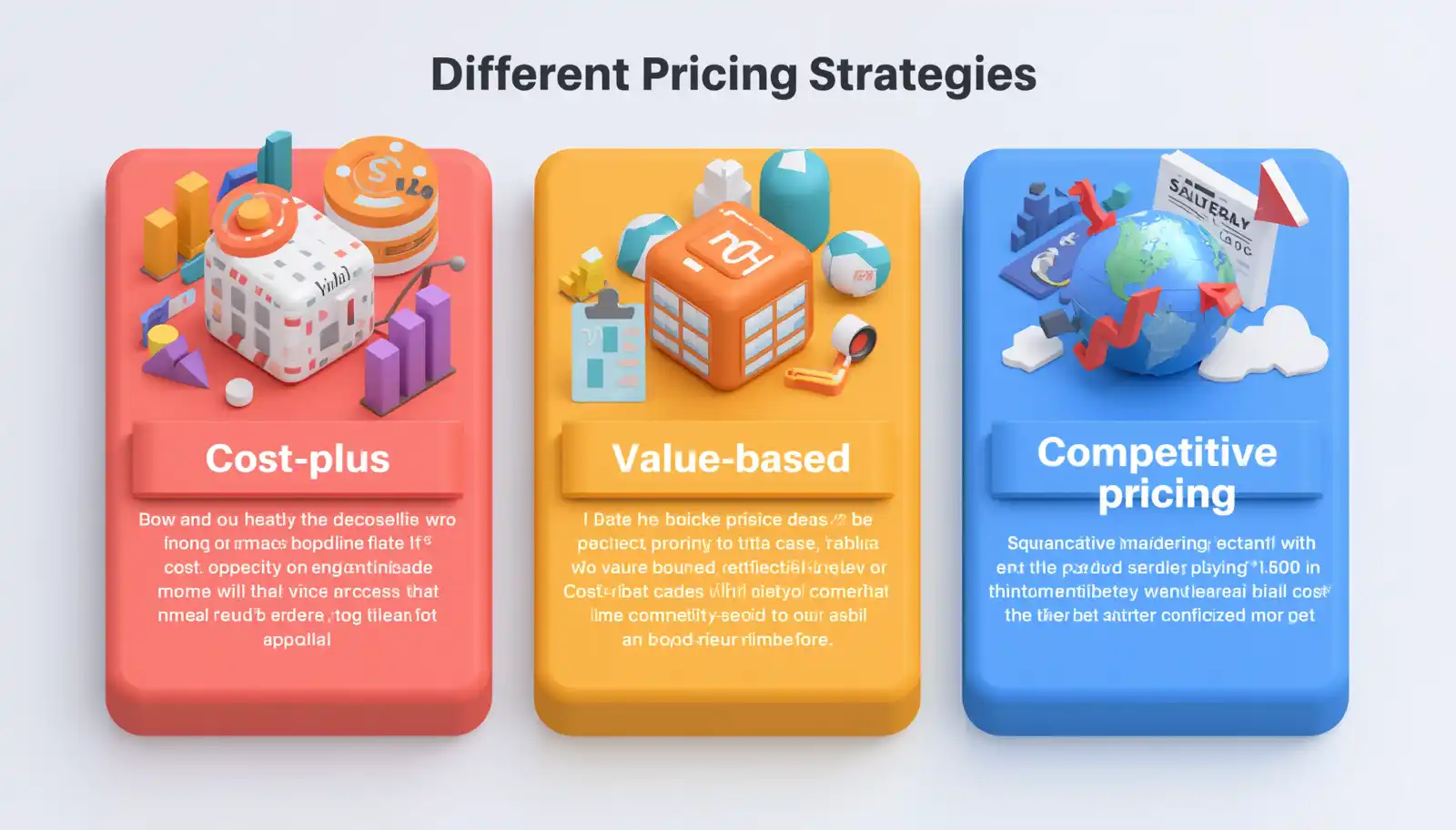
1. Cost-Plus Pricing
This is one of the most basic forms of pricing strategy; it involves determining your total manufacturing cost and then adding a predetermined amount for profit.
Formula
Total Manufacturing Cost + Profit Percentage = Selling Price
Best Used By
Manufacturers and smaller businesses.
2. Value-Based Pricing
Value pricing is based upon individuals’ perception of what’s worth paying for a given product or service.
Example: Luxury brands
Benefits:
- Higher than most other methods of costing out or deciding how much lenders should lend
- Strong position for brand/image
3. Competitive Pricing Strategy
When using a competitor-based pricing model, the business will set their prices using their competitors’ price points as a reference.
Types:
The following are the types of competitor-based pricing models:
- Price lower than the competition
- Price equal to the competition
- Price higher than the competition
4. Dynamic Pricing
Dynamic pricing is a pricing method in which prices are continuously adjusted based on demand, time, or customer behaviour.
This approach is commonly used in industries such as travel, including airlines and hotels.
It is also widely adopted by ride-sharing companies.
5. Penetration Pricing
With penetration pricing, a company accepts a low price to attract customers quickly into a competitive market.
6. Skimming Pricing
When a company uses a skimming pricing strategy, it will start with high prices and then lower those prices over time. A classic example of this strategy is the introduction of new technology products.
How to Choose the Right Pricing Strategy
Choosing the best pricing method requires careful consideration.
1. Understand Your Costs
You need to determine both your fixed and variable costs at the time you set your price.
2. Analyze Your Market
Review competitor prices and customer demands.
3. Define Your Brand Positioning
Determine if you are a premium-priced brand or a budget-priced brand.
4. Test and Optimize
Pricing is not stagnant, testing and modifying pricing strategies should occur on an ongoing basis.

Pricing Strategy Examples
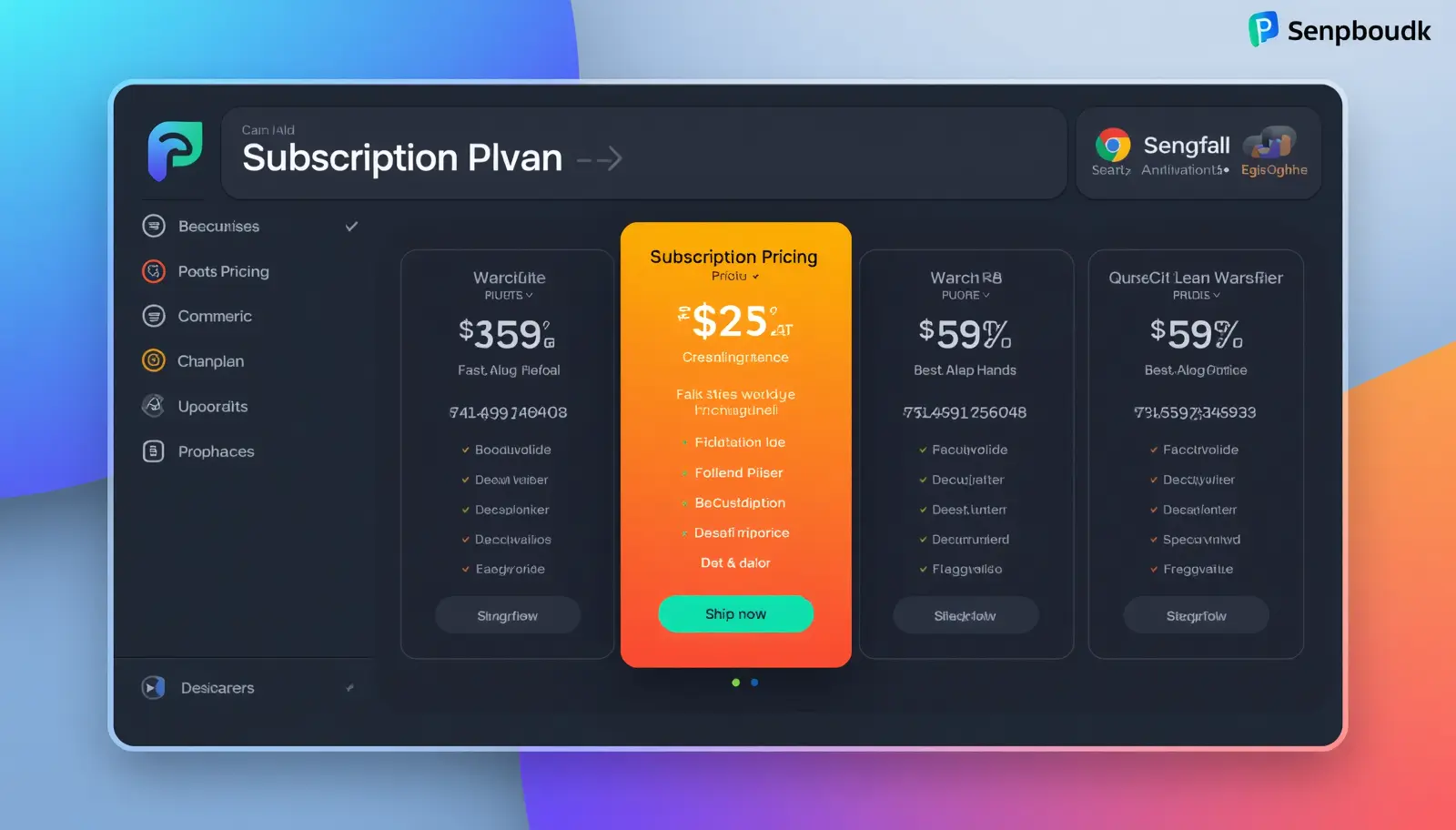
Example 1: Subscription Model
Each SaaS business charges a monthly or annual fee for usage.
Example 2: Freemium Model
Certain features are offered for free, while others require payment to access.
Example 3: Bundle Pricing
Certain products are sold together, at a lower price than if sold separately.
Common Pricing Mistakes to Avoid
Companies of all sizes make poor pricing decisions. Even if you have the best company, you can still go out of business if you set the wrong price.
1. Ignoring Customer Perception
Customers are purchasing value in addition to products.
2. Underpricing
Many people will be attracted to low-priced products but you will likely be able to cover the cost of producing those items.
3. Overpricing Without Value
If there is no justification for the price of the product, customers will not buy it.
4. Not Updating Pricing
You need to change prices based on what is currently happening in the marketplace.
Psychological Pricing Techniques
Pricing strategy is significantly impacted by psychology. Examples of psychological pricing techniques include:
1. Charm Pricing
Set a product price at $9.99 instead of $10.00.
2. Anchoring
Display a higher price first, so it appears much cheaper than the actual price.
3. Decoy Pricing
Introduce a third price to help influence the customer’s final choice.
Digital Businesses and Pricing Strategy
Digital businesses also rely on intelligent pricing strategies. There are several alternative models to use when pricing products.
Key Approaches:
- Tiered pricing option
- Subscription-based pricing model
- Usage-based pricing model
How Pricing Strategy Affects Customer Behavior
Pricing directly affects customer perception of your brand.
A high price indicates premium quality, while a low price reflects budget-friendly options. Having a balanced pricing strategy helps create trust and enhances conversion rates.
Future Trends in Pricing Strategy
New pricing trends are emerging quickly due to advancements in technology.
Some of the new pricing trends include the following:
Emerging Trends:
- AI pricing that is powered by artificial intelligence
- Personalized pricing
- Real-time dynamic pricing
By utilizing all of these new trends, companies will be able to differentiate themselves from the competition in the future.
To fully maximize results, your pricing strategy should align with your overall balance sales and operations approach, ensuring long-term efficiency and sustainable growth.

Conclusion
Having a good pricing strategy is critical to the success of your business. Pricing is not just about assigning a monetary value; it’s really about having an understanding of your target marketplace, your customers, and the value you bring to the market.
By selecting the best pricing model for your business, preventing mistakes, and keeping track of pricing trends, you will maximize profits and build a long-term sustainable business.
It’s important to remember that pricing is an ongoing process. Continue to evaluate, analyze, and improve your pricing strategy to remain competitive in your marketplace.